Backyard Chickens occupy a strange space between commercial livestock and household pet.
With an estimated 13% of US households now raising over 85 million chickens, backyard chickens are increasingly common. Yet despite their popularity, chickens are still widely misunderstood.
Many new keepers are surprised by how different caring for chickens is from caring for other pets. For example, veterinary care can be difficult to find. Compared to dogs or cats, there are few veterinarians who specialize in poultry, let alone chickens specifically. Local regulations can also be confusing. In some places chickens are perfectly legal; in others, zoning rules or HOA policies may limit flock size or prohibit them altogether.
And then there are the everyday practical questions: Who can watch your chickens if you go out of town? How much care do they really need? Will they be noisy, messy, or attract pests?
These are questions we hear all the time from prospective chicken keepers. It got us thinking about all the things we wish we had known before bringing home our first chicks, and what advice we would give our younger, chicken-free selves.
TL;DR: our only regret? Not getting them sooner.
10 Things First-Time Chicken Keepers Should Know
Getting backyard chickens is exciting, but first-time chicken keepers often have many questions. Here are 10 things to know before starting your flock.
1. What Is the Cost of Raising Backyard Chickens?
Chickens are generally less expensive than other common household pets (we see you, dog lovers), but they are not “free egg machines.” While the cost of raising backyard chickens will vary depending on the size of your flock, their health, and your level of DIY skills, it might be less than you think.
For a small flock of 3–4 hens:
Upfront costs: $500–$1,500
- Chicks or pullets
- Coop and predator-proof run
- Feeders and waterers
- Bedding and fencing
Ongoing monthly costs: $25–$50
- Feed
- Bedding
- Grit and oyster shell
- Occasional treats or supplements
Unexpected costs may include veterinary care, medical supplies, coop repairs, or replacing equipment over time.
And while you do get free eggs, they won’t fully offset your expenses. But they are a delicious bonus!
Our Eggspert advice? Create a realistic budget before you start. Track expenses in your first year and set aside a small emergency fund.
2. How Many Eggs Should I Expect Each Week?
Short answer: probably more than you think. And yes, they really are that good.
But here’s the catch: for the first 5–6 months, you’ll get zero eggs. Most hens begin laying around 20–24 weeks of age. At peak production, many breeds lay 4–6 eggs per week. With four hens, that can mean 16–24 eggs weekly.
You may not borrow sugar from your neighbors anymore, but you will absolutely be gifting half a dozen eggs.
Keep in mind:
- Egg production drops in winter due to reduced daylight.
- Hens lay most reliably during their first 2–3 years.
- Molting season (typically once a year) means fewer eggs temporarily.
Our Eggspert advice? If immediate eggs are your goal, consider buying pullets (juvenile hens) instead of day-old chicks.
3. What Is the Daily Care Commitment?
The truth is, caring for backyard chickens is easier than most people expect. Chickens are relatively low maintenance, but they are still living creatures and require regular care.
Daily care can take as little as 10 minutes and involves:
- Checking feed and water
- Collecting eggs
- Quick visual health check
- Spot cleaning the coop
Every few weeks, expect to spend 20–30 minutes doing a deeper coop clean.
Surprisingly, chickens can manage a long weekend alone (1–3 days) if:
- They have a secure coop and run
- Plenty of feed
- Large-capacity waterers
- Protection from predators
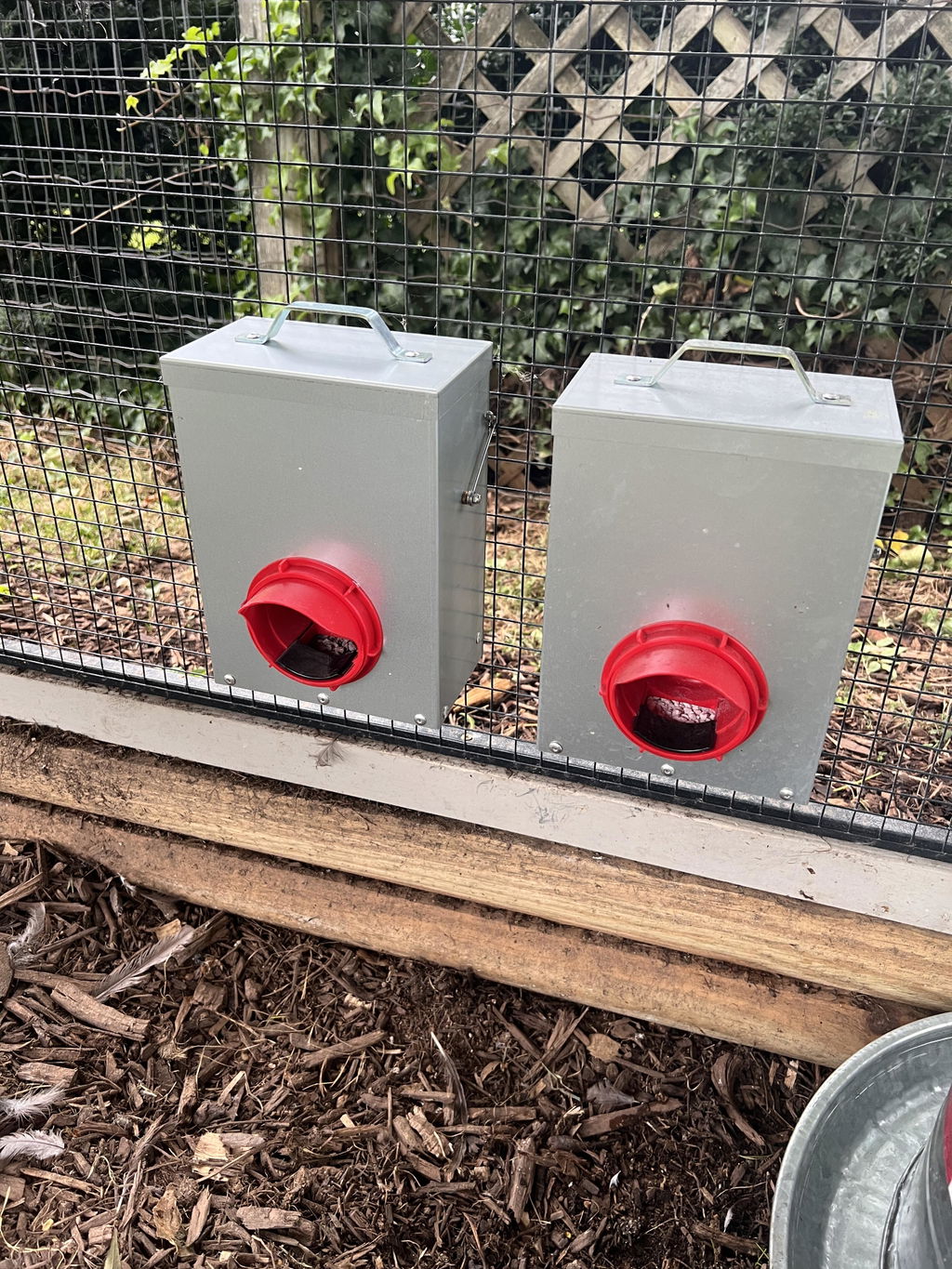
Our Eggspert advice? Invest in quality, innovative supplies that are designed to make chores quick and easy. For example: a treadle feeder keeps dirt and debris out and feed in, a waterer with a nozzle keeps water clean and fresh, and a roll away nesting box keeps eggs clean. These products are designed to give you back time, so you can enjoy your flock.

4. Do I Need a Rooster?
You do not need a rooster. I repeat, you do not need a rooster for eggs! Hens lay eggs without the presence of a rooster. Roosters are only required if you want fertilized eggs to hatch chicks. They can also be loud, territorial, and are often specifically prohibited by local ordinances.
However, if you accidentally get one (hatcheries are typically ~90% accurate when sexing chicks), you have options:
- Keep him (if allowed)
- Rehome through local farms or neighborhood/backyard chicken forums
- Contact the hatchery about their policy
Our Eggspert advice? If noise and ordinances are not issues, consider keeping him. Roosters are undeniably beautiful, with vibrant, iridescent feathers, elegant combs, and an impressive strut. They will protect their flock and can help reduce infighting by maintaining the pecking order.

5. Are Backyard Chickens Noisy?
The noise factor is one of the most frequently cited concerns about getting chickens for the first time, and the answer is, it depends.
Hens are usually quiet. They make clucking sounds as they forage and move about their day that are about the same volume as a person talking. However, they do make a loud announcement—called the “egg song”—after laying an egg. This is the classic “buh-gawk, buh-gawk!” and can trigger other hens to respond and amplify the volume.
Roosters, on the other hand, crow loudly and frequently. See above re: roosters are optional. While most people are aware that roosters crow at daybreak, what they don’t realize is that they crow at other times of the day as well, and often even before sunrise.
But a calm flock is a quiet flock, so if your birds are making a lot of noise, this can be a sign of boredom, hunger, stress from overcrowding, or the presence of a predator.
Our Eggspert advice? Part of the fun is watching the girls chat. Each hen has a distinct voice — and knows yours too. Talk to them!
6. What Happens If My Chickens Get Sick?
Here’s something many first-timers don’t expect: veterinary care can be hard to find.
Avian medicine is specialized, and poultry care isn’t widely taught in small-animal practice. In some states, there are only a handful of poultry veterinarians available.
Common backyard health concerns include:
- Frostbite in winter
- Heat stress in summer
- Parasites (mites, lice, worms)
- Egg binding
- Bumblefoot (foot infections)
Because access to care is limited, many chicken keepers learn basic health management themselves.
Our Eggspert advice? Having a poultry first-aid kit and an isolation station is crucial. Do a quick health check of your flock each day so that if there is a problem, you can address it quickly. And establishing a relationship with a farm or avian vet, if you can find one, is invaluable.
7. Do Chickens Smell?
When chicken coops are well-maintained, they do not smell. Odor in the coop and run is usually the result of soiled bedding, poor ventilation, and ammonia buildup.
Chickens themselves are naturally tidy birds. They will preen and groom themselves daily and take dust baths regularly to control parasites and clean their feathers. Unlike other poultry, they will avoid soiling their food and water and may even “complain” if they feel it is not up to standard.
However, you should always wash your hands after handling poultry to minimize the risk of salmonella.
Our Eggspert advice: To help manage odor in coops, use hemp bedding. Hemp is superior to all other bedding because it is highly absorbent, low dust, soft, and long lasting.
8. Do Chickens Eat Ticks?
Chickens are natural predators of insects, including ticks. One study suggests a single chicken can consume 80 ticks in under an hour.
As tick populations surge across the United States, they bring increases in tick-borne diseases such as Lyme disease, Rocky Mountain spotted fever, and alpha-gal syndrome, a potentially life-threatening allergic reaction to red meat and dairy.
Chickens also eat mosquitoes, spiders, scorpions, fleas, and cicadas, as well as invasive species like stinkbugs, spotted lanternflies, and Japanese beetles.
Our Eggspert advice? Chickens are omnivores with strong foraging instincts and a high protein need that will gladly patrol your backyard in search of delicious bugs. However, they should be considered just one part of the solution and won’t be able to control tick populations alone.

9. Do Chickens Support a Zero-Waste Lifestyle?
Backyard chickens are surprisingly helpful partners in living a lower-waste lifestyle.
Chickens love getting kitchen scraps as “treats” that would otherwise end up in the trash. Fruit and vegetable trimmings become healthy treats for your flock. Just be sure to avoid foods that are moldy, salty, sugary, or highly processed, as well as toxic items like avocado skin/pits, chocolate, caffeine, raw/dried beans, and raw/green potatoes.
They then turn those scraps into something useful: eggs and compost.
When chicken bedding such as hemp mixes with droppings in the coop, it creates excellent, pesticide- and herbicide-free compost for your garden.
Our Eggspert advice: Consider using the Deep Litter Method for composting bedding. It supports a healthy coop, saves you time and money, and is environmentally friendly.
10. Why Should I Get Chickens?
Because chickens are endlessly fascinating!
Many people get chickens for the fresh eggs, but they end up getting more for their entertainment value.
Chickens have complex personalities that go far beyond breed traits. Within any flock you’ll find bold explorers, shy observers, boss-ladies, and affectionate snugglers. Many owners learn to recognize their birds by behavior as much as appearance.
We’ve all heard the term “bird brain,” but we think this is a misnomer! Chickens are surprisingly intelligent. They can recognize individual faces, remember routines, and communicate using a wide range of vocalizations. Many chickens even “sing” excitedly when they see a favorite treat coming.
Watching chickens express their natural instincts is endlessly entertaining. Like dogs that love to chase or cats that need to scratch, chickens are driven to roost, forage, dust-bathe, and explore. A healthy flock will spend hours digging through soil and leaves in search of seeds, insects, and other tiny treasures.
And perhaps the coolest fact of all: chickens are the closest living relatives of dinosaurs, descended from theropod dinosaurs such as Tyrannosaurus rex.
Once you see a chicken sprint across the yard or lock eyes with you in that intense, unblinking stare, the plotline of Jurassic Park suddenly feels very believable.
Our Eggspert advice: Get. More. Chickens.

Frequently Asked Questions
Will having a rooster keep my flock calm?
Yes, a rooster can have a calming effect on your flock, but usually only one. Roosters know instinctively which hen is at the top of the pecking order and will squash conflicts that threaten her position and those below her. Adult roosters will typically not start fights with hens, but they may fight with other roosters. Their perceived aggression is often territorial or protective instincts over space and flock.
Do chickens eat bugs?
Yes. Chickens eat a wide variety of insects including ticks, mosquitoes, spiders, scorpions, fleas, and cicadas, as well as invasive species like stinkbugs, spotted lanternflies, and Japanese beetles. Chickens are opportunistic omnivores with a high protein requirement, strong hunting instincts, and a curious nature. They have far fewer taste buds than humans but can detect bitter flavors, which helps them avoid toxic substances.
Do chickens attract rats?
Chickens themselves do not attract rats, but spilled feed can. Store feed in metal containers, use rodent-resistant feeders such as a treadle feeder, and clean up loose feed regularly to prevent rodents.
Will chickens destroy my garden?
Chickens love to scratch and forage, which can damage gardens if they have unrestricted access. Many chicken keepers use a combination of coop, run, and supervised free-ranging to protect garden beds. Mobile chicken coops, often called chicken tractors, are also becoming more popular so foraging areas can be moved easily.
How long do backyard chickens live?
Backyard chickens can live 5 to 10 years depending on their care and general health, although egg production typically declines after about 3 to 4 years.
How many chickens should beginners start with?
A flock of 3 to 4 hens is ideal for beginners. Chickens are social animals and should not be kept alone.
Do chickens stop laying eggs?
Hens slow egg production in winter and during molting, but healthy hens typically lay consistently for the first 2 to 3 years.