Your Week-by-Week Guide to Raising Healthy, Happy Chickens
Our favorite time of the year is almost here: Chick Season!
Whether you’re bringing home your first fluffy peepers or adding to an established flock, this guide walks you through everything: preparation and early care, growth milestones, egg-laying readiness, and natural behaviors.
Raising chicks may feel intimidating at first, but chickens are beginner-friendly livestock. They’re hardy, curious, and social animals that require far less maintenance than many common pets and require no experience in farming in order to have a joyful, fulfilling experience.
What is Chick Season?
Chick season runs from late February through early fall, with spring being the most popular time to purchase chicks. Spring chicks mature during the warm, sunnier months and usually begin laying in late summer or early fall.
While older hens may molt and reduce egg production in winter, young hens (pullets) frequently continue laying despite shorter daylight hours. For this reason, many farm stores host “chick days” beginning in late February.
Before Your Chicks Arrive
Preparation is key. Check local ordinances and HOA rules first to make sure chickens are allowed where you live. For beginners, we recommend 3–4 hens, as chickens are highly social animals.
Plan for:
- 3–4 square feet per bird inside the coop
- 8–10 square feet per bird in the run
- 1 nesting box per 3–4 hens
Eggspert Tip: Gather These Supplies Before Your Chicks Arrive
What kind of coop and run do chicks need?
Our Eggsperts recommend a secure, well-ventilated coop with roost bars, nesting boxes, and easy access for cleaning and collecting eggs.
What is the best bedding for baby chicks?
Our Eggsperts recommend absorbent bedding like hemp to control moisture and odor. Hemp bedding helps reduce ammonia buildup, manage wet spots, and create a healthier brooder and coop environment.
How do I protect chicks from predators?
Our Eggsperts recommend hardware cloth, secure latches, electric netting to deter ground predators and pests, and a covered run to prevent aerial attacks.
What feeders and waterers are best for chicks?
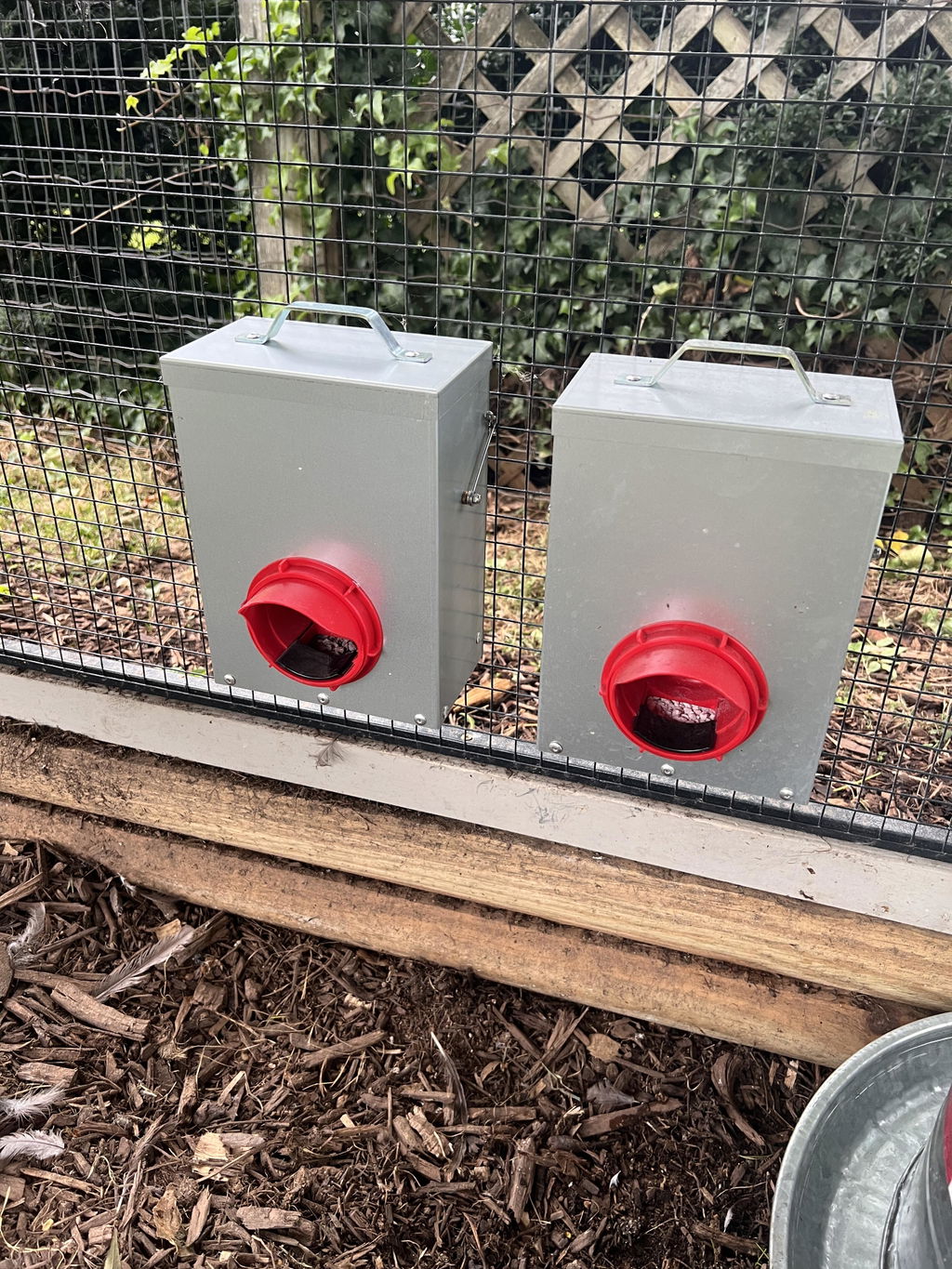
Our Eggsperts recommend chick-safe feeders and waterers, like our Chick2Chicken Feeder and 1L versatile waterer. Avoid open water sources like baby pools as chicks can drown in surprisingly shallow water.
What should I feed baby chicks?
Chick starter feed is a specialized, high-protein diet designed to support the rapid growth of your chick for the first 6 weeks of life and can be found online or in feed stores.
What is a chick brooder and do I need one?
Our Eggsperts recommend a complete setup like the Big Red Barn Brooder Set, which includes everything you need for the first 6 weeks including a heating plate, liners, and a feeder/waterer sized for chicks.
The Lifecycle of a Chicken
Days 1-20: Egg Develops
A hen lays a fertilized egg. She will incubate the egg by diligently sitting on the egg for the next three weeks and keeping it warm.
If you are hatching eggs at home in an incubator, you will need to monitor the temperature and humidity inside, ensuring a constant temperature of 99.5°F and turning the eggs 3-5 times a day for the first 17 days (some incubators will turn the eggs automatically). On day 18, the “lockdown” phase starts. Turning should be stopped, humidity increased to 65-75% to prevent the membrane from drying, and incubator must remain closed. The chick will position themselves inside the egg for pipping (breaking out). The wait begins!
The embryo inside the egg undergoes rapid developments over 21 days of incubation, including:
- From day 1-3, the brain and spinal cord begin forming, and the heart starts beating.
- By day 10, major organs and feathers develop.
- By day 17, the beak has hardened and the chick practices pecking motions inside the egg.
- By day 20, the chick has absorbed the rest of the yolk sac, which provides essential nutrients for the first hours and days after hatching. The chick will position itself near the air sac to take its first breath and break out of the shell using a special “egg tooth” on it’s beak. This is a very tiring process for the chick, and can last hours.
Day 21: Chick Hatches
Congratulations! Your bundle of fluff has finally arrived. Now the fun begins.
Your new baby chick(s) will emerge wet and exhausted and should remain inside the incubator until they are fully dry and recovered, which can take a day or more (they don't require food for the first 24-48 hours). They may appear dead or listless at first, but this is likely due to extreme exhaustion from hatching, and they will soon dry into fluffy, active peepers with soft downy feathers. Chicks are born in an advanced state (known as precocial) and can feed and move independently almost immediately. Still, they are fragile in the first few weeks and will need round the clock warmth, food, water, and care.

Weeks 1-6: Chick Growth
In the first six weeks of life, chicks require:
- A draft free brooder with a warm area, like from a heating plate, and cool spots so they can self-regulate their temperature. Chicks will require less time under the heating plate each week, until they are fully feathered. (around 5-6 weeks old).
- Access to clean water and chick starter feed. Grit should be offered in a separate container so they can self-regulate. You should adjust the height of feeders and waterers as they grow. We recommend using a vertical chicken nozzle because it stimulates natural pecking behavior and is easy to train them to use. It also helps keep the water clean, which is essential for preventing life threatening illnesses - like coccidiosis - from drinking dirty water. Chicks should never be exposed to open pools of water, such as a baby pool, as they can drown even in shallow water.
- Clean, soft bedding. For the first 3 weeks, we recommend using hatchling liners, transitioning to jute liners at 3+ weeks, and then hemp bedding thereafter. Bonus: the jute liners can be composted!
- Gentle, daily interaction from their humans so they can form a healthy social bond.
Week 1: Newborn chicks will sleep and rest a lot to recover from the intense effort of hatching but will have enough nourishment from absorbing their yolk sac to sustain them for the first 24-48 hours. They can stay inside the incubator for 24-48 hours. If chicks are dry, active, or panting, they are ready to move into the brooder.
Hydration is important, and you can encourage drinking by tapping the chick nozzle with your finger to demonstrate how it works. They will quickly catch on and tap it themselves with their beaks.
They begin to walk and peck for food just a few hours after hatching, and the sharp tip on the beak (egg tooth) will fall off within a few days.
Keep an eye out for “pasty butt,” a common but potentially serious condition where their droppings stick to the downy feathers around their vent, blocking and preventing the chick from defecating, leading to a buildup of toxins. To treat pasty butt, soften the dried, hardened feces using a warm, damp cloth or by soaking the chick's back end in warm water. Very, very gently rub the feces (never pulling at the vent or surrounding skin) until removed. Never leave the chick unattended near water, and fully dry the chick with a towel or a low-heat hairdryer before returning to brooder.
Week 2-3: The soft, fluffy down feathers that provide excellent insulation to a hatchling will show the first signs of transitioning into adult feathers. Some of their natural behaviors will also kick in, including the desire to roost (find a safe place to rest and sleep) and to establish a pecking order and socialize as a flock. The pecking order will likely develop gradually and peacefully but keep an eye out for any aggressive behavior. If a chick does get injured, you may need to separate them as the other chicks will continue to peck at any sores.
Week 4-6: Your babies are starting to look like teenagers now. During this period, chicks will completely shed their down feathers during a molting process and grow tougher juvenile feathers for added weather protection. Chicks should be pretty good at self-regulating their temperature with the heating plate, which can be removed from the brooder altogether after week 5. Just ensure the temperature inside the brooder does not drop below 60°F.
Week 6+: Your chicks are now large and strong enough to survive on their own. They can be moved outside the brooder into their coop and run or slowly introduced to an existing flock. At this point, you may offer treats and supplemental nutrition, such as mealworms. However, note that treats should not make up more than 10% of their diet.

Week 6-24: Pullet/Cockerel
During this time period, your bird stops being a chick and becomes a juvenile hen (pullet) or rooster (cockerel). They will develop adult feathers and resemble adult chickens, only smaller. This is a period of rapid growth, and your chicken’s unique patterns, colors, and personality will emerge.
At 6-18 weeks old, they should eat grower feed to support rapid growth. At 18 weeks old, you can transition them to regular chicken layer feed.
At 16-24 weeks, you will notice signs of egg-laying readiness including swollen combs and waddles, noisiness, a widened pelvis, squatting when approached, and increased interest in nesting boxes. Hens will usually start laying eggs around 20 weeks old.
Week 24+ Adult chicken
Laying hens will need access to supplemental calcium such as oyster shell or recycled egg shells to support strong eggshell production. This should be provided in a separate container from their feed.
Egg Production
- Peak production: 25–35 weeks
- Production declines about 10–15% annually
- Many owners rotate in new hens every 2–3 years
Lifespan
Chickens typically live 5–10 years, depending on breed and care.
Hens may slow or stop laying between 5–7 years old but remain loved members of the flock and will continue spreading joy during their “retirement”. They’ve earned it!
Have Fun!
Raising chicks is one of the most fun and rewarding parts of backyard chicken keeping. With proper preparation and loving care, you’ll soon watch your tiny peepers grow into productive, personality-filled members of your flock.
Good luck and know we are here for you! If you have questions or feel overwhelmed by the process, reach out to our Eggsperts for advice.