When a city, county, or homeowners association (HOA) revisits its backyard chicken ordinance, it creates a valuable opportunity for residents to speak up, build community support, and advocate for change.
According to the American Pet Products Association, 11 million U.S. households own backyard chickens. By some estimates, they are the third most common pet in the United States. This is a striking fact given that many communities still prohibit them. Even in cities where hens are allowed, local HOAs often disallow them. This patchwork of regulations often leaves residents feeling unfairly restricted compared to their neighbors and confused about what is legal.
Imagine the uproar if an HOA suddenly banned dogs altogether. Instead, communities sensibly regulate dog ownership through reasonable rules around noise, waste, and containment—an approach that works just as well for chickens.
Opposition to backyard chickens is often driven by misconceptions or past experiences with poorly managed flocks, issues that clear regulations and proper education can address. At RentACoop, we are chicken owners ourselves and strive to bring education and awareness of the joys of owning backyard chickens to everyone. We recognize that this debate can feel emotional and stressful, especially when it may affect families who already care for chickens.
To help navigate these conversations, we break down common myths, offer practical talking points, and outline the many ways responsibly kept chickens benefit communities, so you can advocate with confidence and clarity.
Arguments in Favor of Loosening Backyard Chicken Ordinances
- Chickens make excellent companions. They are highly social animals with distinct personalities, recognize their owners, and can understand dozens of words. Compared to many common pets, they are relatively low maintenance.
- They support mental health and well-being. Caring for chickens provides routine, purpose, and connection. They help combat loneliness, particularly among seniors and teens, who are disproportionately affected.
- Chickens are easy to manage in residential settings. They rarely stray, typically staying within about 100 feet of their food source, and naturally return to their coop at dusk.
- They provide a fresh, reliable food source. Backyard chickens offer access to nutritious eggs and foster a closer, more transparent relationship with the food system.
- Chickens contribute to pest control. They eat disease-carrying insects such as ticks and mosquitoes, as well as invasive species like Japanese beetles and spotted lanternflies that can wreak havoc on crops.
- They offer educational value. Chickens connect children and teens—especially those outside rural areas—to the natural world, animal care, and the realities of food production at a time when screen use dominates daily life.
5 Chicken Keeping Myth Busters
1. "Chickens are noisy.”
Hens are generally quiet; the real noise issue comes from roosters, which are often restricted or banned in urban ordinances. Roosters are not necessary for egg production, so many chicken keepers are fine excluding them from a flock.
2. “Backyard chickens smell and attract pests and predators.”
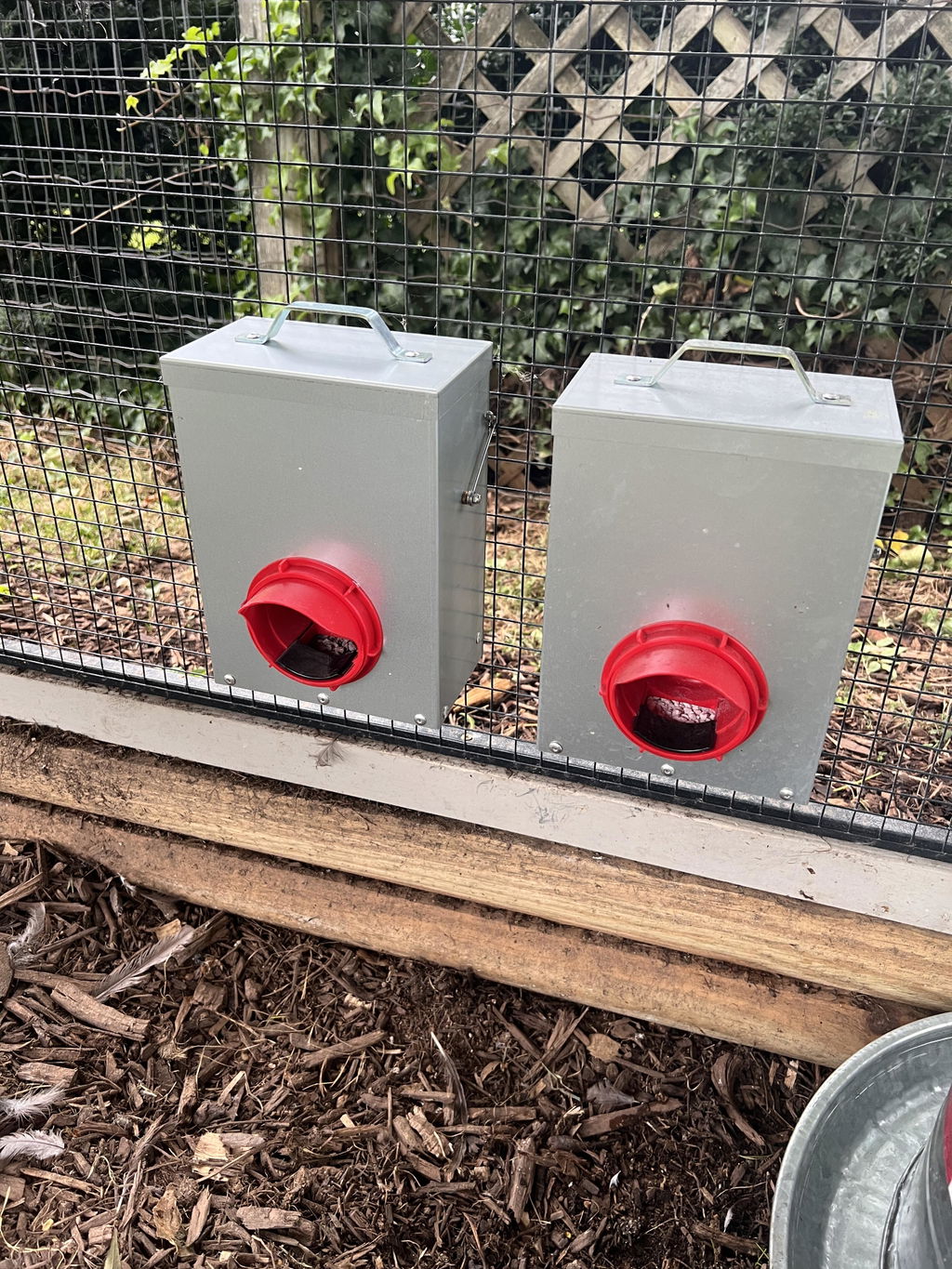
When properly maintained, coops don’t smell. Animal bedding like hemp is highly absorbent and virtually dust free, making coop clean out easy. Quality feeders and waterers, like those designed and tested by RentACoop, deter pests and prevent waste. A chicken coop is no more likely to attract pests than trash cans, compost bins, or bird feeders.
In fact, chickens help with pest control by foraging insects like ticks, snails, slugs, ants, and grasshoppers, reducing the need for chemical pesticides. They also eat invasive species like Japanese beetles, squash bugs, cucumber beetles, Mexican bean beetles, and various caterpillars.
3. “Chickens spread disease.”
Backyard chickens can contract bird flu from infected wild birds, but transmission to humans is extremely rare; when basic hygiene practices—such as hand washing and keeping coops clean—are followed, the public health risk remains very low, especially when birds are contained in a coop and run.
Handwashing and safe egg collecting and handling practices are effective at preventing the spread of bacteria like salmonella.
Chickens can actually help stop the spread of diseases by eating insects such as mosquitoes (which spread diseases like West Nile virus and Zika) and ticks (which cause Lyme disease, Rocky Mountain Spotted Fever and can trigger Alpha Gal Syndrome – a life threatening allergy to red meat and animal products from the Lone Star tick).
4. "They lower property values.”
There’s no evidence that small, well-managed backyard flocks reduce property values; many communities report neutral or positive impacts.
5. “Chickens are livestock, not pets.”
The definition of a pet, according to Oxford Languages, is: a domestic or tamed animal kept for companionship or pleasure. Backyard chickens are typically kept in small numbers (per many ordinances) for eggs and companionship, like rabbits or other commonly permitted small animals.
Bottom Line
Most chicken owners act responsibly and follow the rules. Much like clearing snow from sidewalks, maintaining lawns, and obeying other ordinances, chicken keepers do not want to jeopardize their privileges. With clear ordinances in place and consistent enforcement, backyard chickens can add a lot of value to communities. For tips on being a good flock-keeping neighbor, check out our Guide to Responsible Chicken Keeping.