

Free Shipping on Orders Over $100

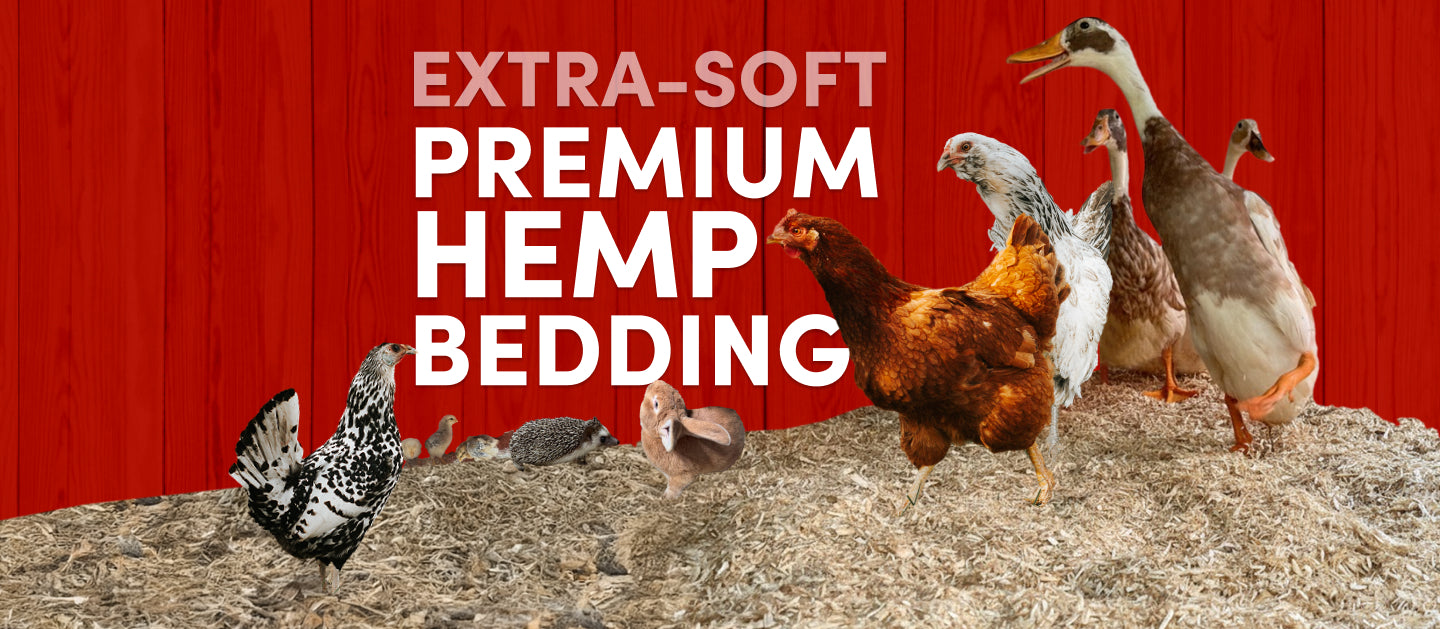
Clean coops, fresh air, and happy, healthy birds all start with the right bedding.

Choosing hemp bedding is one of the most important decisions you can make for your backyard flock, livestock, or small pets. A soft, highly absorbent fiber made from the woody inner stalk (or hurd) of the hemp plant, high-performance hemp bedding supports cleaner enclosures, healthier animals, and less work for you.

Shop Hemp Bedding
RentACoop premium low-dust hemp bedding for chickens and livestock

For Chickens

Hemp bedding forms the foundation of a healthy coop by keeping bedding dry, odors low, and air clean. This results in a more comfortable environment for your flock and a more pleasant one for you, too!

Chicken in nesting box with hemp bedding

For Small Pets & Livestock

Hemp bedding provides superior moisture control, comfort, and cleanliness for a wide range of enclosures, including rabbits, guinea pigs, hamsters, reptiles, exotic birds, horses, goats, alpaca, and sheep.

Small pets like rabbits and hedgehogs using hemp bedding for clean, comfortable enclosures
Chickens nesting on low-dust hemp bedding with fresh eggs

Perfect for Nesting Boxes

Why Hemp Is the Best Choice for Your Pet & Livestock Bedding

When choosing bedding, many people focus on the wrong things. But experienced chicken keepers know that in the long-term, the right bedding can save you time, money, and heartache. And, from a performance standpoint, the choices — including hemp, straw, sand, and wood shavings — are vastly different. How bedding manages moisture, odor, dust, and cleanliness directly impacts air quality inside the coop or enclosure, how often you need to clean, and the overall comfort and health of your animals.

Hemp Bedding

  • Strong moisture & odor control
  • Low-dust for cleaner air
  • Comfortable, easy to spot-clean
  • Long-lasting coverage
Low-dust hemp bedding texture

Straw

  • Can trap moisture in humid coops
  • Often needs frequent full cleanouts
  • Bulkier and harder to compost evenly
  • Dust/mold risk varies by bale quality
Straw used as animal bedding

Sand

  • Easy to rake, but heavy to move
  • Less “cozy” in colder seasons
  • Odor control depends on maintenance
  • Not ideal for every enclosure type
Sand used as animal bedding material

Wood Shavings

  • Common choice, performance varies
  • Can break down faster when damp
  • Dust levels depend on brand/type
  • May require more frequent refresh
Wood shavings commonly used for animal bedding
Hemp bedding in a chicken coop

Built for Cleaner Coops & Healthier Animals

High-Performance Hemp Bedding Is:

Highly absorbent

Hemp bedding absorbs up to four times its weight in moisture, helping keep coops cleaner and drier. Better moisture control means fewer odors, including ammonia, and noticeably fresher air for both animals and caretakers.

Virtually dust-free

Hemp bedding is up to 99% dust-free, making it an excellent choice for animals with sensitive respiratory systems like birds. Dust from poor-quality bedding can quickly lead to respiratory infections and illness in chickens and other pets.

Clean, safe, and comfortable

Naturally resistant to mold, mildew, pests, and bacterial growth, hemp bedding is non-toxic and safe for all animals, and gentle enough even for chicks.

Its natural insulating properties help keep animals warm in winter and cool in summer, while its soft texture provides a comfortable surface for roosting, nesting, and egg-laying.

Eco friendly and sustainable

Hemp is one of the fastest-growing plants on earth and requires less water, land, and chemical inputs than wood-based alternatives.

It improves soil health, requires fewer pesticides, and acts as a carbon sink—absorbing more CO₂ than it releases. Once expired, hemp bedding biodegrades quickly and safely, making it an excellent source for garden compost.

Low maintenance

Hemp bedding lasts longer than leading alternatives and is ideal for the deep-litter method. That means fewer full clean-outs, less labor, and more time spent enjoying your animals.

Hemp bedding in a chicken coop

How Hemp Stops Ammonia & Odor at the Source

Extra-dry bedding helps break this chain by reducing lingering moisture.

The Science Behind Hemp Bedding

Hemp bedding’s superior performance is based on science. From fiber structure to bird anatomy to environmental impact, hemp offers measurable benefits to animal comfort, air quality, and sustainability.

What is Hemp?

Industrial hemp is a soft, highly absorbent fiber made from the woody inner stalk (or hurd) of the hemp plant. Known for its strength and versatility, hemp has long been used to produce paper, textiles, rope, and canvas, as well as food products, biodegradable plastics, biofuels, animal feed and animal bedding.

As one of the fastest-growing plants on earth, hemp is also considered a renewable, environmentally friendly choice for your coop.

Fiber Science: Absorbency, Insulation, and Durability

Absorbency Mechanism:

Hemp fibers are hollow and highly porous, which allows them to absorb moisture while still allowing airflow. This unique quality helps create a dry, comfortable environment for animals by pulling moisture away from the surface and distributing it evenly throughout the bedding.

Thermal Regulation

Those same porous fibers also trap air, providing natural insulation. In colder months, hemp bedding acts as a thermal barrier against the cold, offering better temperature regulation than many traditional bedding materials such as wood shavings. The result is a cozier environment for your flock.

Pest Control

Hemp bedding naturally discourages mites, lice, and insects by creating a dry, clean, and biologically unfriendly environment for common coop pests. Highly absorbent fibers lock away moisture that pests need to survive and reproduce, while the dense, low-dust structure makes it harder for parasites to cling, hide, or lay eggs. Hemp also contains natural plant compounds that are mildly antimicrobial and irritating to small arthropods, further deterring insects and mites. This supports a cleaner, healthier coop without the use of harsh chemicals.

Additional benefits of hemp fiber include:

  • Breathability that reduces moisture buildup
  • Sound-dampening properties that help create calmer enclosures
  • Long-lasting structural integrity under repeated use
Avian Respiratory Science: Why Air Quality Matters

Birds have the most sensitive and efficient respiratory systems in the animal kingdom. Unlike mammals, birds rely on a unidirectional breathing system that allows continuous oxygen uptake during both inhalation and exhalation. This system uses a network of air sacs that act like bellows, keep air flowing through the “lungs” at all times. While this system evolved to support flight by maximizing oxygen efficiency, it also means birds are far more vulnerable to dust, fumes, and pollution.

Common bedding-related contaminants include:

  • Dust particles
  • Phenols from aromatic wood shavings such as pine and cedar (toxic for birds)
  • Ammonia buildup from moisture and waste

Low-dust, absorbent hemp bedding eases breathing conditions and reduces the risk of respiratory irritation and illness.

Environmental Science: Hemp as a Carbon-Negative Material

Hemp is one of the most effective carbon sequestration materials on the planet. During its rapid growth cycle, hemp absorbs more carbon dioxide (CO₂) per hectare than any forest or commercial crop in a fraction of the time.

Environmental advantages include:

Rapid growth
Hemp can grow 10–20 feet tall in under 100 days, absorbing large amounts of CO₂ from the atmosphere.

Biomass carbon storage
The plant converts CO₂ into biomass, storing carbon in its stalks and roots throughout the growing season.

High sequestration capacity
One hectare of industrial hemp can absorb an estimated 8–22 metric tons of CO₂ per year, depending on growing conditions and yield.

Carbon retention in use
When hemp stalks are processed into bedding, much of that carbon remains stored in the material during its useful life rather than being immediately released back into the atmosphere.

Composting potential
Used hemp bedding can be composted and returned to the soil, where it helps build soil organic matter and supports longer-term carbon storage while recycling nutrients.

Low resource input
Hemp requires less water and land than wood-based bedding alternatives and biodegrades more quickly after use, reducing its overall environmental footprint.

Net climate benefit
Across its lifecycle, hemp bedding can function as a carbon sink, absorbing more CO₂ during plant growth than is emitted during processing and use, under typical conditions.

Safe, circular composting
Because RentACoop’s premium hemp bedding is pesticide- and herbicide-free, it can be safely composted and reused in gardens, supporting a closed-loop system.

Soil health benefits
Hemp’s deep root systems improve soil structure, increase water retention, and reduce erosion, benefiting both the land where it’s grown and the soil where it returns.

How to Use Hemp Bedding

Hemp bedding is versatile and can be used in several effective ways depending on your coop size, cleaning preferences, and management style.

1) Shallow Bedding 1–2 inches • frequent refresh

A thin layer of bedding spread across the coop floor, typically 1–2 inches deep.

Soiled bedding is removed and replaced regularly (weekly or as needed), making this method ideal for quick cleanups and visual tidiness. Shallow bedding works especially well for small coops, urban setups, and keepers who prefer frequent refreshes.

2) Targeted Layering high-impact zones

Hemp bedding can also be used selectively in high-impact areas such as nesting boxes, under roosts, and damp or high-traffic spots.

This approach allows you to use extra bedding where it’s needed most, improving moisture control and comfort without replacing all coop bedding at once.

3) Deep Litter Method low maintenance • compost-friendly

Sometimes called deep bedding, the deep litter method is a low-maintenance system that requires less frequent cleaning and produces nutrient-rich compost over time.

Instead of removing all bedding every few days, you:

  • Start with a thick base layer of 4–6 inches of absorbent hemp bedding
  • Regularly remove obvious wet spots or heavily soiled areas
  • Add fresh bedding on top as needed
  • Allow beneficial microbes to break down waste naturally
  • Fully clean out the enclosure only 1–3 times per year

As the lower layers slowly compost in place, the surface stays dry and clean. This reduces odors, improves insulation, and saves time.

Diagram showing the deep litter method with hemp bedding layers, including a fresh surface layer, active composting zone, and initial hemp base.
Chickens scratching in a coop with hemp bedding

Chickens

The deep litter method provides a sanitary and odor free environment for chickens, encourages natural behaviors such as scratching, and only requires you to change the bedding a few times a year.

How to use it

Our RentACoop EGGsperts recommend starting with a 4-6 inch layer of hemp bedding, and simply adding a fresh layer whenever it becomes soiled or begins to smell like ammonia.

When you want to use the compost, simply remove the top layer of bedding, clear out the bottom layer of compost, and replace the fresher top layer in your coop to start again.

Composting safely

Take the extra step to ensure your compost is ready!

Proper composting allows heat and beneficial microbes to neutralize pathogens and transform used bedding into stable, soil-safe organic matter.

Your compost is ready when it’s dark, crumbly, cool to the touch, and smells earthy (and not like manure). Only at this finished stage should it be added to garden beds or around plants.

Check out our blog on deep litter + composting →

Horse standing in a stall bedded with hemp bedding

Livestock

For livestock enclosures including horse stalls, cover with 3–6 inches of hemp bedding. Spot clean manure and wet spots daily and replenish in small amounts a few times weekly.

Quick tips
  • Start with a 3–6 inch layer
  • Spot clean daily
  • Top off a few times weekly
Chinchilla resting in an enclosure lined with hemp bedding

Small Pets

For small animals such as rabbits and chinchillas, the deep litter method works best in designated bathroom areas, not open living spaces.

How to use it

Start with a base layer of 3–5 inches of hemp bedding, spot clean the area and top off with clean bedding every few days, and fully clean it out every 3–6 weeks.

Step-by-step deep litter guide →

RentACoop Premium Hemp Bedding Outperforms Other Brands

Experienced poultry keepers and small animal caretakers choose hemp as the best choice for chicken, livestock, and small animals.

But not all hemp is created equal.

How hemp is grown, harvested, processed, and packaged has a direct impact on cleanliness, odor control, dust levels, and overall performance. Much like hay, the way hemp is cultivated and cured determines how it smells, how it feels, and how well it performs in real-world coops and enclosures.

At RentACoop, we are chicken keepers ourselves, and care deeply about the health and comfort of our flock. That is why we employ the highest quality hemp processing standards and require extra sifting. This removes any hard spiky pieces and fine particles, ensuring only soft, dust-free pieces are included.

Our Process: Quality Assurance at Every Step

Ecofriendly growing

Our hemp is grown and harvested without using harmful chemicals, pesticides, and environmental toxins.

Precision processing

Hemp stalks are fully dried, then broken down into a clean, straw-like texture and extra sifted to remove fine particles and debris. This additional screening optimizes particle size, removes long sharp pieces, reduces dust, promotes even moisture distribution, and ensures consistent quality from bag to bag.

Efficient packaging

Before shipping, our hemp bedding is dried to optimal moisture levels and extra compressed for more efficient transport, easier storage, and longer-lasting performance in your coop.

Why RentACoop Hemp Is Different

Designed for Cleaner Air & Healthier Coops

  • Low dust content
  • Reduced ammonia odors
  • Less caking and fewer wet spots
  • Longer time between clean-outs

Graded for Animal Comfort

  • Soft underfoot
  • Cushions eggs
  • Gentle enough for chicks
  • Comfortable for livestock and small animals

Farm-Tested for Real Conditions

  • Tested in coops
  • Evaluated for odor control, moisture management, and clean-out frequency
  • Trusted by experienced animal keepers and RentACoop EGGSperts

Based on reports from years of customer feedback from thousands of backyard chicken keepers, RentACoop hemp is:

  • Select hurd fraction (no overly coarse stalks)
  • Free of dusty fine particles
  • Carefully screened for consistency
  • Optimized for comfort and absorbency

Hemp Bedding FAQs

Why hemp bedding?

Hemp bedding absorbs moisture efficiently, helping keep coops and enclosures drier and reducing ammonia odor.

Low dust processing support healthier respiratory conditions for birds and small animals.

Compostable fibers work well in both shallow bedding and deep litter systems.

Although higher in upfront cost, hemp often lasts longer and requires less frequent replacement.

How much hemp bedding do I need for my coop?

RentACoop's compacted, bulk 15" x 8" x 30" package (300L) will cover an 8" x 6" coop with a 1.5" of hemp bedding.

What is hemp bedding made from?

Hemp bedding is made from the woody inner stalk (called the hurd) of the industrial hemp plant. It contains no psychoactive components and is completely safe for animals.

Is hemp bedding safe for baby chicks and young animals?

Yes. Hemp bedding is soft, non-toxic, and gentle enough for chicks, kits, and other young animals.

Is hemp bedding safe for chickens?

Yes. Hemp bedding is safe for chickens when it is dust-screened and processed for animal use. Its low dust content helps protect sensitive respiratory systems, and it does not contain the aromatic oils found in some wood shavings.

Is hemp bedding safe for small pets like rabbits or guinea pigs?

Yes. Hemp bedding is commonly used for rabbits, guinea pigs, hamsters, reptiles, and exotic birds due to its low dust and soft texture.

Is hemp bedding more expensive than other bedding?

Hemp bedding may cost more upfront, but it will last longer, reduce cleaning frequency, and improve air quality, making it quickly cost-effective over time.

How does hemp bedding compare to pine shavings or straw?

Compared to pine shavings or straw, hemp is more absorbent, produces less dust, controls odor better, and breaks down faster for composting.

Is hemp bedding eco-friendly?

Yes. Hemp grows quickly, requires less water and land than wood-based bedding, and absorbs large amounts of carbon dioxide during growth. By using hemp bedding you are sequestering carbon!

Does Hemp bedding reduce odor and ammonia smell?

Yes. Hemp’s high absorbency helps trap moisture that would otherwise produce ammonia. A drier coop environment generally leads to less odor.sequestering carbon!

Does hemp bedding contain chemicals or pesticides?

Quality hemp bedding is free from pesticides and herbicides. Always check product specifications to be sure.

Is hemp bedding flammable?

Though it should not be considered fire-proof, hemp fibers are naturally more fire-resistant than many traditional bedding materials. Hemp fibers are generally slower to ignite than very dry, airy materials like straw or fine wood shavings. Hemp’s dense, low-dust structure and high moisture-holding capacity reduce the amount of oxygen and heat available for rapid ignition, which can make it less prone to quick flare-ups under the same conditions.

However, like all plant-based bedding, hemp will burn if exposed to sufficient heat or flame and should always be kept away from open flames or sources of high heat.

How often should hemp bedding be changed?

Hemp bedding lasts longer than many alternatives. Many users change it less frequently, especially when using the deep-litter method. When using a shallow method, flock owners may choose to change it every few weeks or as needed.

The deep litter method generally requires only 1–3 changes per year, with more frequent additions of fresh hemp sprinkled on top as needed.

Can hemp bedding be used with the deep-litter method?

Yes. Hemp bedding works very well for deep-litter systems because it resists caking and controls moisture.

Is hemp bedding compostable?

Yes. Hemp bedding biodegrades quickly and makes excellent compost for soil.

Can hemp bedding be used for horses or livestock?

Yes. Hemp bedding is suitable for horses, goats, sheep, alpaca, and other livestock, particularly where dust reduction and moisture control are priorities.

Farm animals using hemp bedding, including chickens, goats, and small livestock

From Our Farm
To Your Home

Performance-grade hemp for healthier spaces & happier animals.

Shop Hemp Bedding