



RentACoop Support
What types of chicken products does RentACoop offer?
RentACoop offers a wide range of products for backyard flocks, including waterers, feeders, heated poultry drinkers, bedding solutions, fencing and predator deterrents, brooders and chick supplies, DIY products, and flock accessories.
Where can I buy RentACoop products?
RentACoop products are available through the RentACoop website, our Amazon storefront, and select retail partners such as Chewy and Tractor Supply. Availability may vary by product, and purchasing through official channels ensures authenticity. RentAcoop EggSperts can help locate specific items.
What makes RentACoop different from other brands?
RentACoop products are designed by backyard chicken owners with a focus on durability, ease of use, and real-world practicality. The brand is known for strong customer education, innovative solutions to common poultry problems, and a community-focused approach trusted by thousands of flock owners.
Do you have instructions or setup videos related to products?
Yes, RentACoop provides written setup guides and step-by-step instructions, along with video tutorials available online through the RentACoop YouTube channel. These visual resources make the setup simple and accessible.
How do I contact RentACoop customer support?
Customer support can be reached through our website support form, by phone, or by email. We pride ourselves on prompt and helpful responses, and the team is happy to help with product questions as well as general chicken-raising guidance, both before and after purchase.
Product & Setup Questions
How do RentACoop’s nipple waterers work?
Nipple waterers release water only when pecked, keeping water clean, sealed, and mess-free. They reduce contamination, work with many container sizes, and are easy to maintain. They work for other poultry including ducks and geese as well.
What is special about RentACoop heated drinkers?
Our heated drinkers and Thermo Bucket Belt heated strap are designed to prevent water from freezing and ensure consistent hydration in cold weather. Our low-wattage, durable designs are safe for outdoor use and essential for winter chicken care.
How long does RentACoop hemp bedding last?
Our premium hemp bedding can last a few weeks to many months, depending on flock size and cleaning preferences. With spot cleaning and the deep litter method, which uses microbial action to break down waste, hemp bedding can last 3–6 months or longer and may be composted after use. Hemp bedding lasts much longer than alternatives like pine shavings because its high absorbency capacity controls odor and moisture better than leading alternatives. It is also virtually dust-free, leading to healthier chickens.
What should I do if my waterer/Horizontal Nipple/ Auto-Fill Cup is leaking?
Leaks are usually caused by installation issues, such as overtightening or misaligned washers. Ensure silicone washers are sealed properly and on the outside of the container, inspect for cracks, and reinstall carefully.
Do RentACoop fences work for other animals?
Our electric netting is designed for chickens and other poultry but can work for small animals as well. We offer electric fencing for goats and larger animals that is effective when properly setup (height, voltage, and grounding). Follow the setup instructions carefully.
Why isn’t my electric chicken fence working?
Start by checking the power source, grounding rods, and fence connections. Remove any vegetation touching the fence, check for areas where the fence is sagging, and test voltage. Most issues are setup related.
Are RentACoop products safe to use in all weather conditions?
RentACoop products are designed for outdoor use and made with weather-resistant materials. To ensure safe operation, always follow electrical safety guidelines where applicable, inspect products regularly for wear or damage, and use them as instructed. Some items may be recommended for storage when not in use to extend their lifespan.
Can I add extra cups/nipples to my chicken waterer?
Yes, you can add extra cups or nipples within the limits of your container. Be sure to space them evenly to allow proper access and avoid overcrowding. Use compatible parts, seal all connections properly, and follow container capacity guidelines to prevent leaks.
How do I clean my Auto-fill cups/ horizontal nipples?
Auto-fill cups and horizontal nipples should be rinsed with warm water and cleared of debris. RentACoop cups feature a removable insert that makes cleaning easy without fully removing the cup. Mild soap may be used if needed, but harsh chemicals should be avoided. Routine cleaning helps prevent leaks, but once done, check that the spring located in the elbow behind the cup is still properly in place to ensure correct operation.
What kind of container can I use to make a DIY poultry waterer/ DIY poultry feeder?
DIY poultry waterers or feeders should be made from food-grade plastic containers with thick walls for stability. Buckets or barrels work well, while brittle materials should be avoided. Containers should have secure lids and be thoroughly cleaned before use.
How do I power the electric poultry netting?
Electric poultry netting should be powered using a compatible energizer, with both solar and plug-in options available. Proper grounding is essential for effectiveness, and voltage guidelines should be followed. Keep all connections dry and test the system regularly to ensure proper operation.
What's the easiest way to remove the lid from my 5 Gallon/ 2 Gallon Waterer?
To remove the lid, twist gently using steady pressure and avoid forcing it. Tools that could crack the plastic should not be used. Warmer temperatures may help loosen tight lids, and following manufacturer instructions will help prevent damage during removal.
Can jute liners be washed and reused?
Yes, jute liners can be gently washed and reused multiple times. Allow them to air dry completely and inspect them for wear before reuse. Once worn out, jute liners can be composted.
Can I store my Big Red Barn/ Little Red Barn in the original box?
Yes, the original packaging of the Big Red Barn/ Little Red Barn is suitable for storage. Store the box in a dry location, avoid heavy stacking, and keep all hardware together. The box helps protect components during the off-season and makes reassembly easier later.
I lost the screws for my chicken feeder. Can I get replacement parts?
Replacement parts are available for most products by contacting RentACoop customer support. Providing your product details helps ensure a quick resolution, and keeping proof of purchase may be helpful. The support team is happy to assist.
Backyard Chickens 101 (General Ownership)
Why do people keep backyard chickens?
People keep backyard chickens for many reasons. Chickens provide fresh, homegrown eggs with known quality and nutrition, while helping owners feel more connected to their food system and sustainable living. Chickens also reduce food waste by eating many kitchen scraps and offer natural pest control by foraging for insects. Beyond their practical benefits, chickens can be educational and rewarding for families and children, and many keepers find them to be calming, entertaining, and surprisingly social companions.
How many chickens should a beginner start with?
The number of chickens a new keeper should start with depends on the amount of space available to house them. We recommend starting with 3–6 hens as a smaller flock size is easier to manage and monitor for health issues without being overwhelming. This will provide a steady egg supply for an average sized household. It is important to have at least 3 chickens because they are highly social animals.
Are backyard chickens allowed where I live?
Laws regulating backyard chickens vary by city, county, and sometimes HOA regulations as well. Many areas are updating local ordinances to allow hens while restricting roosters. Some have specific guidelines on flock size, coop placement, and noise allowances. It is important to check your local ordinance before buying chickens.
What breeds are good for both hot and cold weather?
In general, chicken breeds with medium or small combs and waddles handle both heat and cold well. Smaller combs and waddles reduce moisture loss in summer and lower frostbite risks in winter. Examples of hardy breeds that adapt well to temperature swings include Plymouth Rocks, Rhode Island Reds, Australorps, Wyandottes, and Buckeyes.
How long do chickens live?
Backyard chickens typically live 5–10 years, though lifespans depend on the breed, environment, and predator protection. Proper nutrition and a clean coop can extend their lifespan. While egg production declines after the first few years, older hens can still live healthy, active lives, and many owners keep chickens as pets even after their laying slows.
How old are chickens when they start laying eggs?
Most hens begin laying between 18–24 weeks old, and eggs may be small at first. Large breeds may start laying slightly later than small breeds, and age will also depend on nutrition, and the number of daylight hours hens are exposed to. Stress, cold weather, few daylight hours, and a poor diet can all delay laying, but consistent care will lead to steady egg production.
Do I need a rooster for hens to lay eggs?
No, a rooster is not required for hens to lay eggs. Roosters have no impact on egg quantity, and hens live happily and productively without a rooster. Roosters are only necessary for fertilizing eggs to hatch chicks.
How many eggs can I expect per chicken per year?
You can expect between 200–300 eggs per year per chicken, though production varies by breed and age, with peak laying occurring in the first 1-2 years. Egg output is also affected by seasonal changes, daylight, stress, and nutrition. More sun, temperate weather, a well-balanced diet based on a commercial layer feed, and a comfortable environment (including low-dust, comfortable coop bedding) will increase egg production.
What do chickens eat?
Backyard chickens should eat a balanced commercial layer feed as their main diet, which provides the nutrients they need for health and egg production. They can also enjoy small amounts of kitchen scraps, vegetables, fruits, grains, and bugs from foraging, along with constant access to fresh water, grit, and calcium for strong eggs.
What is grit and why should it be provided to chickens?
Grit is small, hard stones or crushed minerals that chickens use to grind food in their gizzard and help digest their food, since they don’t have teeth. Free-range chickens may find enough grit naturally in soil, but chickens without access to the ground must be provided grit to support healthy digestion and nutrient absorption. Grit should be offered free-choice, and chickens will only consume what they need.
What is oyster shell and why do chickens need it?
Oyster shell is a crushed, natural calcium supplement that helps chickens produce strong eggshells and maintain healthy bones. Laying hens draw heavily on calcium to form eggshells, and if they don’t get enough from their diet, their bodies will pull calcium from their bones, which can weaken them over time. Oyster shell should be offered free choice to laying hens, and they will only consume what they need, especially during peak egg production. Oyster shell should only be offered in a separate container to feed and is not needed for chicks or non-laying birds.
What are treats for chickens and how many treats should they be fed?
Treats are a supplemental food and enrichment tool that is given to chickens in addition to their commercial feed. Examples of treats include vegetables, fruits, and protein-rich mealworms. Treats should be given in moderation, making up no more than 5-10% of a chicken’s daily diet. For most backyard flocks, this equals 1 or 2 small handfuls of treats for the whole flock per day. Too many treats can lead to nutritional imbalances, reduced egg production, and weight gain. We recommend offering treats after your chickens have eaten their regular feed.
What are common predators for chickens?
Common predators for chickens vary by region but may include racoons, foxes, coyotes, weasels, mink, martens, skunks, opossums, hawks, eagles, owls, snakes, and even dogs.
How can I protect my chickens from predators?
To protect your chickens from predators, ensure they are always secured in their coop at dusk and overnight. Use hardware cloth instead of chicken wire on any openings. Cover the top of your chicken run to prevent aerial attacks and bury fencing 12-24 inches deep or use electric netting to deter ground predators. Collect eggs daily, remove food scraps, and ensure your feed is in a predator proof container to reduce unwanted attention.
What size coop do I need for my flock?
The size of your coop will depend on how many chickens you have. We recommend at least 3–4 square feet per chicken inside a well-ventilated coop, and the chicken run should offer at least 8–10 square feet per bird. Nesting boxes can be shared with 1 box for every 3-4 hens. The more space your chickens have, the happier they will be.
How do I keep my chickens warm in the winter?
Chickens are hardy but not immune to the cold. To keep them comfortable and warm during the winter, ensure they have access to a well-ventilated but draft-free coop for wind protection. A thick, dry layer of bedding like hemp will also provide insulation inside the coop. Chickens have natural coping mechanisms for dealing with the cold, and you may observe them fluff out their feathers, huddle together, stand on one leg, or tuck a foot under their wing. We do not recommend using heat lamps as they pose a serious fire risk and are not necessary. However, we do recommend using a heated waterer to prevent frozen water and dehydration.
How do I keep my chickens cool in the summer?
To keep chickens cool and comfortable in hot weather, ensure they have access to shade and airflow. A spacious, well-ventilated coop and absorbent bedding like hemp will help with moderating temperature. Light colored roofing on your coop will help reflect heat as well. Chickens will need access to plenty of cool, clean water, and frozen treats, or ice water would be welcome. There are certain breeds that tolerate the heat better if high temperatures are a chronic concern.
Do chickens need toys or enrichment?
Yes, enrichment for chickens is important for their health and happiness. Enrichment can include anything that stimulates a chicken’s natural behaviors, like foraging, or keeps them busy and entertained. Chickens are naturally curious, intelligent foragers, and without mental stimulation they can become bored or stressed and develop bad behaviors like feather pecking and egg eating. Examples of enrichment include hanging treat dispensers, installing perches or ladders in the coop or run, scattering feed, and offering pecking toys. Dust baths are also essential for feather and skin health and for controlling parasites.
How much does it cost to raise backyard chickens?
The cost to raise backyard chickens will depend on factors including flock size and your location. The start-up costs will include a coop, supplies like feeders and waterers, and the birds themselves. Ongoing costs will include feed, bedding, water, and any health care needed over the hen’s life. While the average monthly costs of raising chickens are relatively low and savings on eggs will offset some of those expenses over time, there will still be a cost. Many owners value the enjoyment of raising backyard chickens beyond cost savings.
Chicken Health & Safety
What are signs that a chicken is sick?
Signs that a chicken may be sick include reduced appetite or thirst (not drinking water), lethargy, isolating from the flock, or a drooping posture. You might notice changes in droppings, such as unusual color, consistency, or frequency, or respiratory symptoms like sneezing, coughing, wheezing, or nasal discharge. Other warning signs include a pale comb, swelling, or unusual discoloration, as well as a sudden drop in egg production.
How often should chickens be vaccinated?
Vaccination needs for backyard chickens vary by region and disease risk. Most backyard chickens are not routinely vaccinated. Chicks may receive vaccinations at their hatchery, but small backyard flocks often rely on strong biosecurity practices instead. Good hygiene, limiting exposure to outside birds, and keeping a clean coop significantly reduces disease risk. For flock-specific guidance, consult your local extension office or a poultry veterinarian. You can generally find your local office by searching "[Your County] County Extension Office" or through the USDA's service center locator.
How do I prevent mites and lice in chickens?
To prevent mites and lice in chickens, make sure you have a clean, dry, and well-maintained coop. Replace bedding regularly (unless following the deep litter method) and provide access to dust-bathing areas, which help them naturally control parasites. Inspect birds periodically, paying close attention to the area under the wings, and quarantine new birds before introducing them to the flock. If parasites are detected, prompt treatment will help prevent spreading.
What is biosecurity and why does it matter for backyard chickens?
Biosecurity refers to practices that prevent disease from entering or spreading within a flock. Limiting visitor access, quarantining new birds, and cleaning footwear and tools all reduce contamination risks. Poultry diseases can spread quickly, but simple habits and consistent routines greatly reduce health risks for backyard flocks.
How do I safely introduce new chickens to my flock?
New chickens should be integrated gradually to reduce stress and fighting. Quarantine new flock members for 2 to 4 weeks to monitor for illness. Allow birds to see each other before mixing and introduce new flock members during the daytime when chickens are more active. Providing multiple food and water stations helps reduce competition, while close monitoring minimizes bullying. Gradual integration reduces stress and fighting.
How do I help a molting chicken?
Molting is a natural process during which chickens shed and regrow feathers, often accompanied by a temporary drop in egg production. During this time, provide a higher-protein feed, ensure constant access to clean water, and avoid unnecessary stress. Feathers typically regrow over several weeks.
Can I mix chickens with other small animals like rabbits?
Chickens and rabbits can sometimes coexist, but separate housing is recommended due to different dietary and health needs. Chickens may peck smaller animals, and cleanliness is essential to prevent disease transmission. Supervision is always advised when housing different species together.
What should I keep in a chicken first-aid kit?
A basic chicken first-aid kit should include poultry-safe antiseptic spray, disposable gloves, gauze, vet wrap, electrolytes or vitamins, tweezers, and scissors. Keeping contact information for a poultry veterinarian on hand is also important for emergencies.
Is hemp bedding safe for chickens?
Yes, hemp bedding is safe, non-toxic, and comfortable for chickens. It absorbs moisture effectively, helps reduce odors like ammonia, produces little to no dust to support respiratory health, and is compostable and eco-friendly.
What bedding is best for odor control and moisture absorption?
Hemp bedding offers better moisture absorption and odor control compared to other options. Other options include pine shavings, straw, or sand, but from a performance standpoint, hemp is best and is ideal for the deep litter method. Cedar shavings should be avoided due to toxicity. No matter what you use, keeping bedding dry and replacing it regularly improves air quality and limits bacteria growth.
Coops, Runs & Housing
What are the basic requirements for a chicken coop?
A basic chicken coop should provide 3 things: protection from predators and weather, good ventilation without drafts, and sufficient space for the flock. Nesting boxes, roosting bars, secure doors and latches, and easy access for cleaning are also essential features.
How big should the run be for backyard chickens?
A chicken run should cover at least 8–10 square feet per chicken. More space reduces stress and aggression and encourages exercise. Covered runs add predator protection, and space needs can vary by breed and whether chickens are allowed to free-range (needing less space in a run).
What type of fencing keeps chicken predators out?
Hardware cloth, a strong, galvanized steel wire mesh with small, square openings is better than chicken wire and should be used for fencing or to fill gaps to keep out small predators. Buried fencing and electric poultry netting prevents digging predators, while covered runs protect against aerial attacks. Regular inspection is essential.
Should my chicken run have a roof?
Yes, we recommend having a roof over your run to protect chickens from hawks, owls, climbing predators, rain, snow, and debris. It also provides shade and improves overall flock safety, especially in areas with heavy predator activity.
What is a brooder and what do I need to get one set-up?
A brooder is a warm, enclosed space used to safely raise young chicks during their first few weeks of life. It provides the heat, protection, food, and water that chicks need before they are old enough to regulate their own body temperature and live in a coop. A brooder set includes a draft-free enclosure, a heat source, bedding for traction and warmth, and chick-sized feeders and waterers, creating a safe environment that supports healthy growth.
How often should I clean my chicken coop?
How often you clean your chicken coop will depend on personal preference and flock size, but we recommend removing droppings and obvious wet spots weekly and replacing bedding as needed. A full clean out should be done every few months, or, if you are using the deep litter method, 2-3 times a year. Feeders and waterers should be cleaned regularly and more often in warm weather.
What are the best layouts for chicken coops?
Chicken coops that are raised offer improved drainage and reduced pest access, while walk-in coops make cleaning easier. For ease of egg collection, ensure your nesting boxes are accessible from outside. Roosts should be placed higher than nest boxes, and ventilation positioned near the roofline. Simple layouts will reduce the amount of maintenance required.
What features help keep rodents away from a coop?
Coop features that offer rodent prevention include secure feed storage, elevated feeders, treadle or closed-access feeders, tight construction with no gaps, hardware cloth instead of chicken wire, and regular cleanup of spilled feed. Raised coops will offer additional protection by reducing access for rodents.
Is it better to let chickens be free-range or keep them in a run?
Free ranging allows chickens to express natural behaviors like foraging but also increases predator risk by exposing flocks. Runs provide safety and containment, and many owners use a combination of approaches. Local ordinances, regulations, and ability to supervise flocks should also factor into your decision.
What coop accessories do chickens really need?
Essential accessories include roosting bars, nesting boxes, feeders, waterers, bedding, and predator-proof latches. Enrichment items like treat dispensers are optional but can improve flock wellbeing.
Feeding & Watering
What is the best feeder for backyard chickens?
The best feeders reduce waste, stay clean, and match flock size. Elevated feeders and treadle feeders help deter rodents, while durable materials like galvanized steel ensure long-term use.
Can chickens drink from a nipple waterer?
Yes, chickens can easily learn to use nipple waterers. These systems keep water cleaner, reduce spillage in the coop (meaning less cleanup for you), and work well for all ages with proper training. Easy access to clean, fresh water supports overall flock health.
My chickens won't use horizontal nipples. How do I train them?
To train chickens to use a horizontal nipple, demonstrate how water moves through the nipple by tapping it. Then, gently guide your birds’ beaks to the nipple. For expedient uptake, temporarily remove other water sources. Chickens learn socially, and training usually takes a few hours to a few days.
How often do I need to refresh chicken water?
Water should be checked daily and replaced immediately if dirty. Clean containers help prevent bacteria from growing and support egg production. Hot weather increases any animals’ water needs, and frozen water must be addressed promptly. We recommend using heated waterers in the winter to prevent your water from freezing.
How do I prevent water from freezing in winter?
To prevent your chickens’ water from freezing in the winter, use heated waterers or heating straps, insulate containers, place waterers out of the wind, and avoid extension cords not rated for outdoor use. Be aware that plastic or metal cups and troughs freeze easily, even if the water inside the container does not. For this reason, horizontal nipples paired with a heated waterer are the best winter options.
What treats are safe for chickens?
Safe treats include vegetables (they love kitchen scraps like carrot peelings, lettuce, etc.), fruits in moderation, and insects like mealworms. Avoid salty or sugary foods and limit treats to a few handfuls per day for small flocks. Treats should never replace their balanced chicken feed and should amount to no more than 5-10% of their daily diet. Fresh water should always be available.
How can I prevent wasting chicken feed?
Chicken owners can prevent waste by using no-waste feeder designs, elevating feeders to the chest height of a hen, avoiding overfilling, promptly cleaning up spills, and storing feed securely. These measures will help prevent feed waste and save you money.
Do chicks need different feed?
Yes, baby chicks require different feed and water containers from adult chickens. They will need starter feed, which is specially formulated to support rapid early growth and development. It has a higher level of protein to support feather, muscle, and organ development, and unlike regular chicken feed, starter feed does not include calcium, which could harm their developing kidneys. Calcium is only necessary for adult laying hens. For a feed container, we recommend the Chick2Chicken feeders which have a smaller opening that is safe for chicks.
Do chicks need different waterer system?
Yes. Open water containers are dangerous for chicks because they can fall in and drown. Open waterers also have a tendency to become dirty which can pose a risk of coccidiosis or other illness. Chicks should use a closed waterer system, like the versatile 2 liter drinker, which comes with a verticle chick nozzle or horizontal chicken nipple. Chicks can use either option, or an auto fill cup, though we recommend starting them with the nozzle. Water is released drop by drop when the chick gently nudges the metal piece on the end. Once chicks are about 2 weeks old, they should all be strong enough to use the Horizontal Nipples. Chicks and chickens can drink out of cups at any time. Equipment should be adjusted as chicks grow and cleaned frequently to prevent illness.
How do I train chickens to use a new waterer?
Chickens can quickly learn to use a new waterer. Introduce new waterers during calm periods and demonstrate water availability. It is also recommended to remove any old or alternate waterers during the transition or training period and monitor intake closely.
Can chickens share waterers with other fowls like ducks or geese?
No, chickens should not share water with ducks and geese. Ducks and geese require deeper water and often create a mess, while chickens prefer cleaner water. Mixed flocks will also require extra monitoring to reduce disease risk, and for these reasons we recommend separate waterers.
Do chickens need access to grit and calcium?
Yes, grit helps chickens digest food, while calcium supports strong eggshells. Oyster shell and grit should be offered free choice in separate containers (and apart from their feed). Chicks do not need calcium, and grit is essential for birds without free-range access.
Why do I need to remove water cups and swap them out for horizontal nipples in winter?
Water in cups freezes easily and blocks access, even if the water in the container has not yet frozen. This can lead to your flock becoming dehydrated. Horizontal nipples reduce ice buildup and work well with heated systems during the coldest months. This helps ensure consistent hydration and fresh, clean water all winter long.
Egg Collection & Care
How often should I collect eggs?
Eggs should be collected daily if possible. Frequent collection keeps eggs cleaner, reduces breakage, discourages egg eating, and improves freshness, especially during extreme temperatures.
Why do some eggs have different colors?
Eggshell color depends on the breed of chicken and does not affect taste or nutrition. Blue, green, brown, and white eggs are all normal, and mixed flocks often produce a variety of colors.
Are backyard chicken eggs better than commercial eggs?
Yes, eggs from backyard chickens are often fresher, and because owners control the diet and environment of the laying hens, they can be assured of egg quality. Nutritional differences vary depending on what they are fed, and proper handling and clean storage are still essential for safety.
How do I store eggs after collecting them?
Unwashed eggs can be stored at room temperature for up to 2-3 weeks. This is because freshly laid, unwashed eggs have a natural protective coating called the “bloom” which prevents bacteria from entering. Refrigeration will extend the shelf life of an unwashed egg to 2-3 months. Store eggs pointy end down, use clean cartons, label dates, and wash eggs only before using them. Washed eggs must be refrigerated immediately and will remain safe to eat for 5-6 weeks.
What causes thin-shelled eggs?
Eggs with thin shells, sometimes referred to as “soft,” can be a sign of calcium deficiency, age of the hen, stress, illness, poor nutrition, or temporary hormonal changes. Young hens that have recently started laying can produce soft or misshapen eggs while their reproductive systems are still adjusting, but this usually resolves itself within a few weeks. Older hens may also lay soft-shelled eggs as calcium absorption becomes less efficient with age. In either case, ensuring proper nutrition, including access to calcium and a balanced feed, can help reduce the issue.
What can make hens stop laying eggs?
Egg production may stop or slow down for several reasons, including shorter daylight hours, molting, stress, illness, poor nutrition, age, or extreme temperatures.
What’s the best way to clean eggs?
To clean eggs, simply brush or wipe off any dry or visible dirt with a soft, clean cloth. Wash eggs only if necessary (they are very dirty) with warm water. Dry thoroughly, avoid soaking, and refrigerate washed eggs.
What do I do if my chicken lays eggs outside the nesting box?
You can encourage nesting box use by keeping boxes clean and dark. Use fake eggs to further encourage use and temporarily block off non-nesting box areas where they have been laying to improve behavior over time.
How many nesting boxes do I need?
Most flocks need one nesting box for every 3–4 hens. Chickens will share boxes, but having more boxes will reduce competition. Nesting boxes should be placed off the ground, in dark, quiet areas. For easier egg collection, make sure you have access to the nesting boxes from outside the coop.
Can I hatch my own eggs in an incubator?
Yes, you can hatch eggs at home using an incubator and fertile eggs. Incubation requires careful control of temperature and humidity, regular egg turning, and patience during the 21-day incubation period. Hatch rates vary, but incubators allow year-round hatching.
Hatching & Raising Chicks
What supplies do I need to hatch eggs at home?
To hatch eggs at home you’ll need an incubator, fertile eggs, a chick brooder, chick starter feed, and chick-safe waterers. Preparing supplies ahead of time ensures a smooth hatch and transition.
How long is the incubation period for chicken eggs?
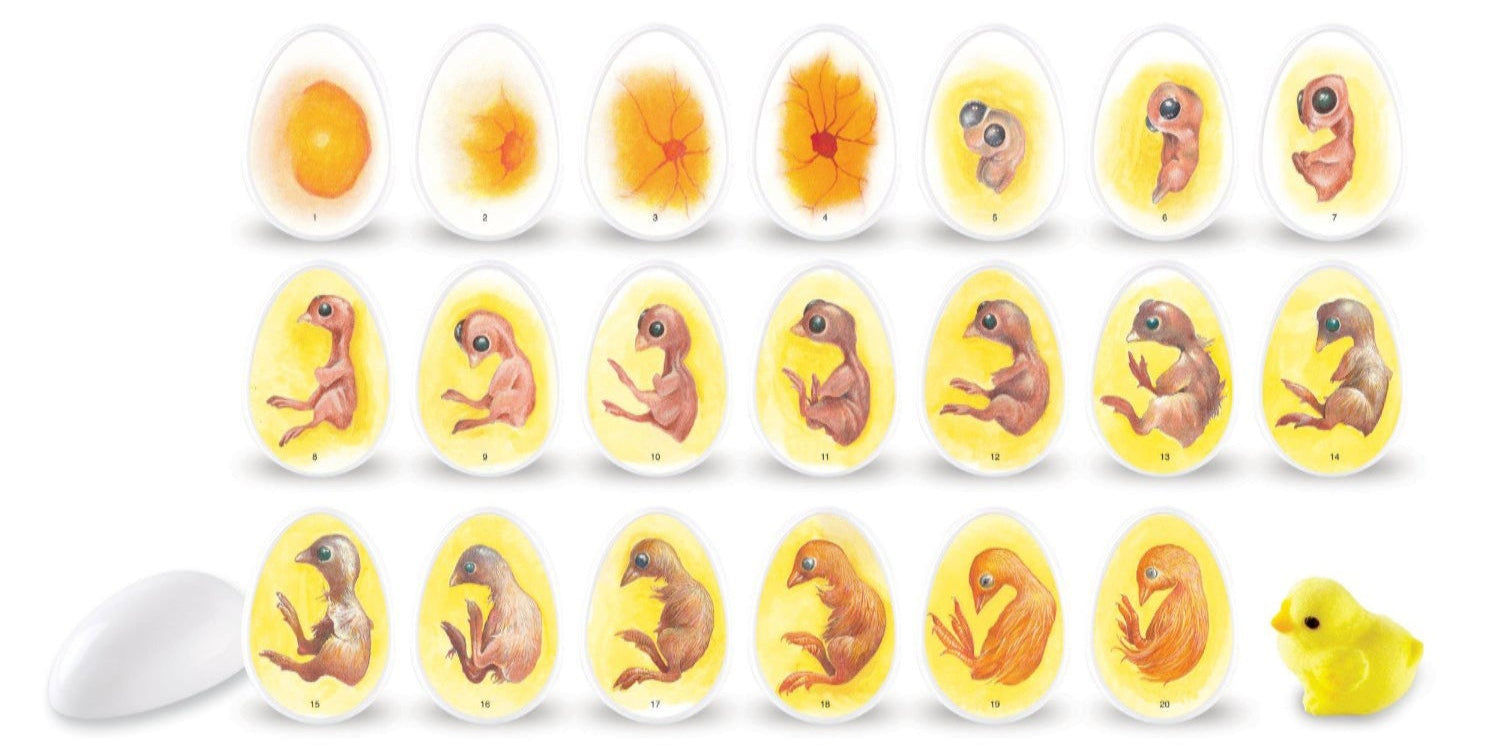
Chicken eggs hatch in about 21 days, though some variation is normal. Temperature can affect timing, and some chicks hatch late but remain healthy. Patience is key; do not rush the hatching process.
At what temperature and humidity do chicks need to be kept?
Chicks need warmth until they are fully feathered and can handle room temperature. During the first week of life chicks should have access to a brooder where the temperature reaches 95°, reduced by 5°F each week. The brooder should include a warm spot, such as a heating plate, and cooler areas so chicks can self-regulate. Adjustable heating plates that can be raised each week to accommodate growing chicks are a safe, effective option.
When do chicks move from brooder to coop?
Chicks usually move to the coop at 6–8 weeks, once they are fully feathered and can tolerate outdoor temperatures. Weather conditions matter, and a gradual transition is best. Allow chicks to see adult birds before full integration to reduce stress and monitor closely after moving. A brooder with a clear door placed inside the coop can help during this transition period.
Can children help with chick care?
Yes, children can help take care of chicks with supervision. Chick care teaches kids responsibility and empathy for animals and is a great way to engage with and learn about the world around them. Gentle handling and proper handwashing are essential for safety. Start with simple tasks like filling their feeders and waterers.
Do baby chicks need a heat source?
Yes. Young chicks require an area in the brooder where the temperature will reach 95°F, which requires supplemental heat. Heating plates are safer than heat lamps, which can become dangerously hot. Avoid overheating by providing warm and cool zones in the brooder where chicks can self-regulate their temperature, moving in and out from under the heating plate as they need.
What should I feed baby chicks?
Chicks should only be fed starter feed, along with plenty of clean water. Chicks should not be given treats or layer feed, which contains calcium that can be harmful to their developing organs.
What breeds are best for children and schools?
The best chicken breeds for children and school settings are calm, friendly, and hardy. Breeds such as Plymouth Rocks and Orpingtons are popular because they are large, tolerate handling well, and have gentle temperaments. Dual-purpose breeds such as these are often a good choice, and temperament matters far more than appearance. Consistency and predictability make these breeds especially suitable for educational environments.
What if an egg doesn’t hatch on time?
It is not uncommon for an egg to hatch a few days later than expected. It’s important not to open the incubator early, as doing so can disrupt temperature and humidity levels. Check humidity if hatching is delayed and remember that hatch rates vary. Patience is key, and we recommend waiting until after day 24 to carefully discard unhatched eggs.
How do I keep chicks safe from other pets like cats and dogs?
To keep chicks safe from curious pets including cats and dogs, place their brooder in a secure area with a lid or latch and keep it physically separated from other pets. Interactions should always be supervised, and chicks should never be left unattended with cats or dogs. A secure setup reduces stress and helps protect vulnerable chicks.