Do chickens get the winter blues? Yes, chickens can experience boredom, or the “winter blues,” much like humans and other pets.
What are the winter blues in chickens?
Shorter days, reduced sunlight, and colder temperatures often mean less time outdoors, decreased physical activity, and hormonal changes. The result? Lethargic, stressed, and out-of-sorts chickens. This is also why chickens lay fewer eggs in the winter: shorter daylight hours and colder temperatures signal their bodies to conserve energy for survival, not reproduction.
In the wild, birds evolved a variety of ways to cope with cold winter weather. Many migrate thousands of miles to warmer climates. Others enter a state called torpor, a mini hibernation during which heart rate, breathing, and body temperature slow to preserve energy.
Backyard chickens don’t have these same survival options. When confined by cold weather, they rely on us to help meet their physical and mental needs. Without enough stimulation, boredom can set in, and bored pets can spell trouble. Your dog might chew your favorite rug; your cat might use the couch as a scratching post. But your chickens? They might start eating their own eggs!
The Science Behind Bored Chickens
"Cooped up" is a familiar phrase, but there's real science behind it for chickens. Researchers at the University of Georgia measured stress hormones of chickens with and without access to mental and physical stimulation (also known as enrichment) while on a restricted diet. The birds without enrichment showed signs of depression, underscoring how critical stimulation is to their well-being.
Signs of Winter Boredom in Chickens
Most backyard chicken keepers already know from experience that happy animals are healthier animals. When chickens develop “coop fever” from too much time indoors, red flags often appear. They may become aggressive, even bullying other members of the flock. They may pace around their run, squawk excessively, over-preen one area repeatedly or pick feathers. Or they may simply seem “off”. Chicken keepers may be alarmed to find that their chickens will even eat their own eggs (if this is a concern, consider investing in a roll-away nesting box). Stressed or bored animals will act out. The question is, what can you do about it?
How to prevent winter boredom in chickens
Enrichment for chickens means providing access to activities, objects, and experiences that stimulate your flock’s natural behaviors. In other words, fun. Chickens are curious and busy by nature, and new textures, challenges, and things to do will help keep chickens mentally sharp and physically active. The key to promoting health and harmony in your flock is variety.
Enrichment can be simple: a pumpkin to peck, an interactive treat dispenser, or an upside-down bucket for climbing can make a big difference. Anything that encourages natural behaviors like foraging, scratching, dust bathing, exploring, and perching will work. This is also an excellent opportunity to offer supplemental nutrition like grit or oyster shells. Supplemental nutrition should be offered freely, as chickens will regulate their own intake, but should be kept separate from their feed in a trough feeder.
“Hen-tertainment” Ideas for the Flock
Addressing boredom early can prevent issues and lead to a happier, healthier flock that is also more entertaining to watch! RentACoop’s Eggsperts compiled their favorite chicken enrichment tools and DIY solutions, tested on our farm and designed to encourage natural chicken behaviors like scratching, foraging and pecking.
-
Make feeding fun- Keep the flock engaged and entertained with creative feeding options.
-
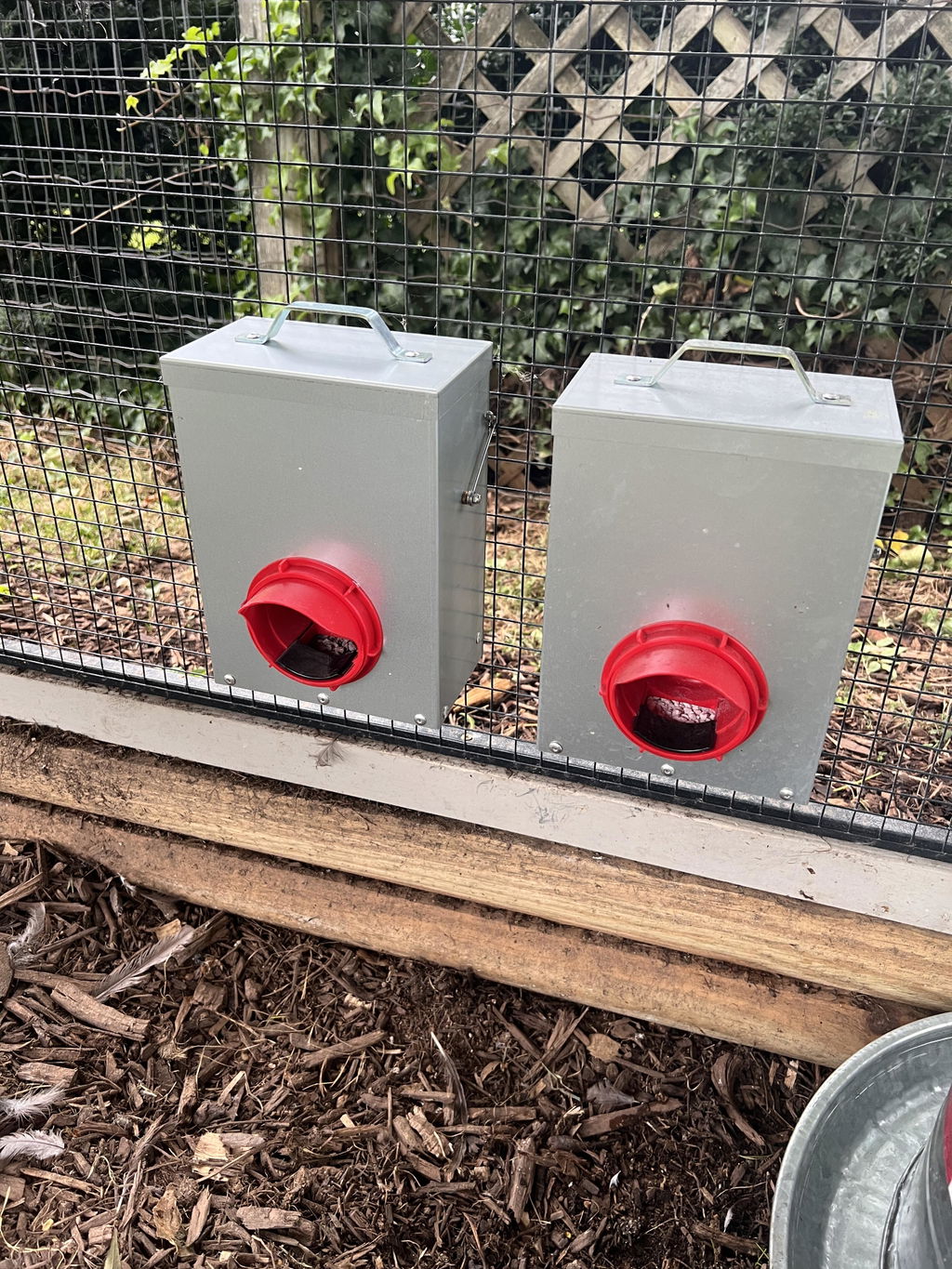
- Install a wall-mounted small treat dispenser or an in-ground large treat dispenser virtually anywhere. As chickens peck at the tubes, their favorite snacks are released. Interchangeable caps allow you to serve scratch, seeds, feed, bugs, or even blueberries.
- Scatter feed in hay and watch them play a game of hide and seek.
- Skewer and hang whole vegetables from the ceiling or offer leftover pumpkins for pecking.
-
Get Out & About - Fresh air and exercise does a chicken good.
-
-
Turn any coop into a playground with a DIY chicken swing. Simply find a sturdy stick and tie it up with rope and voila!
-
Add extra perches and ladders to your coop and run, or build a DIY obstacle course using branches, stumps, log piles, or upside-down buckets for climbing.
-
Offer free-range time and encourage foraging by adding a hay bale; watch as they get busy spreading it.
-
-
Encourage Social Behavior - Chickens need companionship and affection too.
-
-
Gently handle and snuggle with your chickens to boost their mood (and yours).
-
Ensure adequate flock size, we recommend 3-6chickens per coop, with about 4 sq feet of space per bird.
-
For solo chickens, place shatter-proof mirrors or hang old cd’s around the coop for stimulation. The chickens will peck at them as they swing around, which is fun to watch.
Frequently Asked Questions (FAQ’s) about Backyard Chicken Enrichment
Why do chickens need enrichment if they already have food and space?
Enrichment is necessary because chickens are naturally curious, intelligent foragers. Without mental stimulation they can become bored or stressed and develop bad behaviors like feather pecking and egg eating.
What are safe and simple enrichment activities I can provide?
Easy, low-cost enrichment ideas include hanging greens, scattering scratch for foraging, adding dust baths, or providing perches. Scroll up for more ideas!
How often should I change or add new enrichment items?
You should rotate enrichment every few days or weekly to help keep activities engaging and fresh while avoiding clutter in the coop or run.
How much eggshell and how much grit should I give my chickens?
Chickens will regulate their intake, so it should be freely fed. However, it should not be mixed in with their feed. It should be placed in a separate container. A 10 lb separate trough feeder works for most average backyard flocks.
What signs show that my chickens are bored or under-stimulated?
Signs that your chickens are bored or under-stimulated may include feather picking, bullying or aggression, lethargy, excessive noise, and pecking at coop walls or fixtures.
-