Bottom Line Up Front
There’s no magic trick for getting more eggs. The secret is simply giving your hens what biology says they need: plenty of daylight, balanced nutrition, constant access to fresh water, adequate calcium, a clean nesting area, enough space, and opportunities to express their natural behaviors.
If you ask a chicken keeper what the best thing about raising a backyard flock is, their answer will likely be “the joy.” Their second answer? Eggs.
There is nothing quite like collecting a warm, freshly laid egg from your own backyard. Besides tasting great, fresh eggs connect you to your food in a way that few grocery store purchases ever can.
But if you’ve ever wondered why your hens seem to lay nonstop one month and take their sweet time the next, you’re not imagining things. Egg production is both a science and an art. A hen’s body is constantly balancing nutrition, hormones, daylight, stress, and overall health to determine whether she’s ready to produce an egg.
The good news is that while you can’t turn every chicken into an egg-laying superstar, you can create the ideal conditions for your flock to reach its full potential.
1. First, Know Your Breeds
Before you buy another bag of oyster shell or install fancy nesting boxes, remember one important fact: genetics set the ceiling.
Some breeds were developed specifically for egg production, while others were bred for meat, appearance, or dual-purpose farming.
Excellent layers include:
- Rhode Island Reds: about 250–300 eggs per year
- Leghorns: up to 300+ white eggs annually
- ISA Browns and other production hybrids: often 300 or more eggs during their peak years
- Australorps: 250–280 eggs per year
By comparison, many bantam breeds lay just 100–180 eggs annually, depending on the variety. They make wonderful pets and backyard companions, but they simply aren’t built for production.
Knowing your breed’s natural laying ability helps set realistic expectations and can save you from chasing “miracle” egg-boosting tricks that simply can’t overcome genetics.
2. Give Them Plenty of Daylight
Light is the number one most important factor in egg production.
A hen’s reproductive system responds to the amount of daylight she receives. As daylight increases in spring, hormones signal her ovaries to begin producing eggs. As days shorten in autumn, those hormone levels naturally decline, which is why many backyard flocks slow down or stop laying during winter.
For peak production, hens generally need 14 to 16 hours of light each day.
This is also one reason many people choose to buy chicks in the spring rather than fall. Pullets mature just as the long summer days provide ideal laying conditions.
Some keepers add supplemental lighting during winter to maintain production. Others prefer to let their hens follow their natural seasonal rhythm and enjoy a well-earned break until the days lengthen again. It's a topic that's actively debated within the backyard chicken community, with thoughtful arguments on both sides. Rather than a right-or-wrong answer, the best approach depends on your goals, your flock's needs and your philosophy as a chicken keeper.
3. Feed a Balanced Diet and Let Them Forage
A quality layer feed contains the protein, vitamins, minerals, and energy hens need to produce eggs consistently. Most laying hens thrive on feed containing around 16–18% protein.
Foraging adds variety to their diet while encouraging natural behaviors. Chickens happily snack on insects, seeds, grasses, and weeds, all of which can contribute to healthier birds and richer yolks.
Treats are fine in moderation, but they should never replace a balanced layer feed. Too many scratch grains or kitchen scraps dilute the nutrients hens need for egg production.
Fermented chicken feed has also become increasingly popular among backyard flock owners. Some keepers report larger eggs, stronger shells, and improved flock health after switching to fermented feed. While a small number of studies suggest fermentation may improve nutrient availability and gut health, the research is still limited, and results can vary. Proper preparation is essential — poorly fermented feed can grow mold or harmful bacteria and may lose nutritional value if not managed correctly.
To learn more about how nutrition affects flavor, yolk color, and overall egg quality, check out our blog on feeding chickens for better eggs.
4. Provide Constant Access to Fresh Water
An egg is about 75% water, so even mild dehydration can quickly reduce laying. Hens that don’t drink enough may produce fewer eggs, lay smaller eggs, or stop laying altogether.
Always provide clean, cool water, especially during hot weather. In winter, make sure water doesn’t freeze. A hen can go longer without feed than without water, making hydration one of the easiest ways to support consistent laying.
5. Provide Calcium for Strong Shells
If eggs are coming out with thin, soft, or fragile shells, a lack of calcium is often the culprit.
Producing one eggshell requires roughly two grams of calcium. Calcium is also critical for the muscle contractions required to move the egg through the reproductive tract. Without it, the muscles can’t contract properly, which can lead to a dangerous condition where a hen becomes “egg-bound.” A laying hen needs to consume between 4–5 grams of calcium a day for optimal egg production.
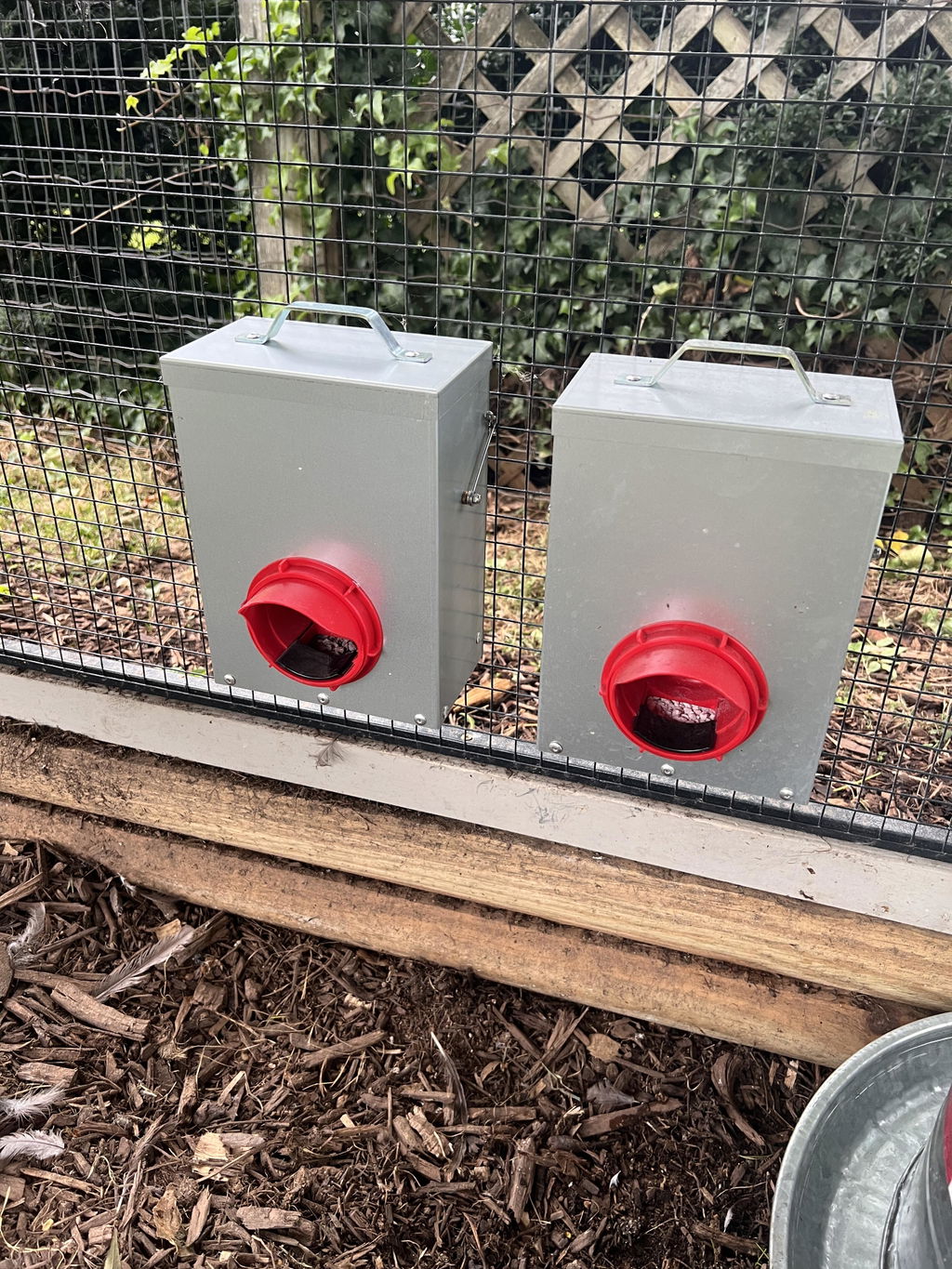
While quality layer feed contains calcium, our Eggsperts recommend offering free-choice crushed oyster shell so laying hens can consume extra calcium when they need it. Free-choice means that the oyster shells should be provided in a separate feeder. A small trough feeder is an excellent option since it keeps the oyster shell freely available while minimizing waste.
Note that chicks and pullets should not receive supplemental calcium as it can put unnecessary strain on their organs during rapid growth.
6. Create the Perfect Nest
Hens want a nesting box that feels safe, private, and comfortable. Our Eggsperts recommend one nesting box for every two to three hens, and keeping them clean with soft bedding like hemp. Clean nesting boxes help produce cleaner eggs and reduce the chance of bacteria entering the shell.
Roll-away nesting boxes offer additional advantages by gently moving freshly laid eggs away from curious beaks and busy feet. This keeps eggs clean while reducing the chance of cracking and discouraging egg eating. Not to mention, it makes collection easier.
7. Collect Eggs Every Day
Leaving eggs in the nesting box too long increases the chances they’ll get dirty, cracked, or accidentally broken.
Frequent collection also helps discourage hens from developing the habit of eating their own eggs. This behavior is much easier to prevent than to stop once it begins.
During hot summers, collecting eggs more than once a day can also help preserve freshness. In winter, frequent collection can help prevent freezing. Frozen eggs may still be usable if the shell has not cracked, but cracked eggs should be discarded because bacteria can enter through the shell.
8. Give Them Room to Breathe
Overcrowding creates stress, and stressed hens don’t lay well. Stress hormones like adrenaline and cortisol suppress the production of essential hormones a hen needs to form an egg. Each bird should have enough space in the coop to move comfortably, plenty of roosts to sleep without crowding, and enough nesting boxes to avoid competition.
Good ventilation, dry bedding, and regular cleaning also reduce stress by creating a healthier environment for your laying hens. Happy hens are productive hens.
9. Keep Them Busy
Chickens are surprisingly curious animals.
A flock with nothing to do is more likely to develop unwanted behaviors like feather pecking, bullying, or egg eating — all of which can affect egg production and quality.
Simple enrichment ideas include:
- Hanging treats
- Pecking toys
- Dust bathing areas
- Leaf piles
- Logs to climb on
- Time to explore the yard
Keeping chickens mentally engaged reduces stress while encouraging natural behaviors. Read our guide to chicken enrichment for more ideas.
10. And Finally… Get More Chickens
Here’s the truth every chicken keeper eventually learns: Hens don’t lay forever.
Most breeds reach peak production during their first two to three years. After that, laying gradually declines. By age five or six, many hens are producing only occasionally.
That’s perfectly normal. Your older girls have earned a comfortable retirement after years of service. Keep them around as beloved flock members — and when you’re ready for more eggs...
...well, that sounds like a pretty good excuse to get more chicks!
Frequently Asked Questions
How can I get my chickens to lay more eggs?
The best way to increase egg production is to give hens the conditions they need to thrive. Healthy laying hens need 14–16 hours of light, a balanced layer feed, constant access to fresh water, adequate calcium, clean nesting boxes, and a low-stress environment. While good management helps hens reach their full laying potential, genetics ultimately determine how many eggs a breed can produce.
What causes chickens to stop laying eggs?
The most common reasons hens stop laying are shorter daylight hours, molting, aging, stress, illness, poor nutrition, or lack of water. Many hens naturally reduce or stop laying during the winter because they aren’t receiving enough daylight to stimulate egg production.
Do chickens need sunlight to lay eggs?
Yes. Chickens rely on daylight to regulate the hormones that control egg production. Most laying hens need about 14–16 hours of light each day for consistent laying. During winter, shorter days often lead to fewer eggs unless supplemental lighting is provided.
What is the best feed for laying hens?
A complete layer feed containing approximately 16–18% protein provides the nutrients most hens need for healthy egg production. Layer feed is formulated with the proper balance of protein, vitamins, minerals, and calcium to support strong eggshells and consistent laying.
Does free ranging improve egg quality?
Free-ranging allows chickens to eat insects, seeds, and plants while getting exercise and mental stimulation. While free-ranging alone won’t dramatically increase the number of eggs a hen lays, it can improve overall flock health and may contribute to richer yolks and more varied nutrition.
Why are my chicken eggshells thin or soft?
Thin or soft shells are often caused by a lack of calcium, although age, stress, illness, or excessive heat can also contribute. Laying hens should have access to quality layer feed and free-choice oyster shell provided in a separate feeder to help meet their calcium needs.
How much calcium do laying hens need?
Laying hens need 4–5 grams of calcium a day to produce an egg. Most laying hens get enough calcium from a quality layer feed, but many chicken keepers also offer crushed oyster shell free-choice. Hens can consume extra calcium when they need it to build strong eggshells. Supplemental calcium should not be given to chicks or growing pullets.
How often should I collect eggs?
Collect eggs at least once a day. During very hot or freezing weather, collecting two or three times daily helps keep eggs cleaner, reduces cracking, and discourages hens from developing the habit of eating their own eggs.
How many nesting boxes do I need?
A good rule is one nesting box for every two to three laying hens. Chickens often prefer the same nesting box, so providing several clean, comfortable options helps reduce crowding and broken eggs.
Do roll-away nesting boxes increase egg production?
Roll-away nesting boxes don’t increase the number of eggs a hen lays, but they do improve egg quality by keeping eggs cleaner and reducing cracks and egg eating. They also make egg collection easier and help protect eggs immediately after they’re laid.
At what age do chickens lay the most eggs?
Most hens begin laying between 18 and 24 weeks of age, depending on the breed. Egg production is highest during the first one to three years, then gradually declines as hens age.
When do chickens stop laying eggs?
Most hens continue laying throughout their lives, but production slows after about three years of age. By five or six years old, many hens lay only occasionally, though some breeds continue producing eggs for several more years.
Does stress affect egg production?
Yes. Stress can significantly reduce egg production. Common sources of stress include overcrowding, predator threats, sudden changes in routine, extreme temperatures, illness, and bullying within the flock. Providing adequate space, enrichment, and a safe coop helps keep hens productive.
Can treats increase egg production?
No. Treats should be offered in moderation and should never replace a balanced layer feed. Too many treats can actually reduce egg production because hens consume fewer of the nutrients they need to make eggs.
Which chicken breeds lay the most eggs?
Some of the highest-producing breeds include Leghorns, Rhode Island Reds, ISA Browns, Golden Comets, Sex Links, and Australorps. These breeds commonly produce 250 to 320 eggs per year under good management.