Key Takeaways
What can chickens eat? Chickens can enjoy many summer fruits, vegetables, and herbs, including ripe tomatoes, watermelon, berries, zucchini, cucumbers, and fresh herbs. Just remember: treats should make up no more than 10% of their daily diet, moldy or spoiled food should always be avoided, and certain foods like raw dried beans, rhubarb leaves, stone fruit pits, and the green parts of tomato and potato plants should stay out of the run.
Is there anything better than fresh summer produce?
Juicy peaches. Tomatoes ripening on the vine. More zucchini than you know what to do with.
Summer gardens and farmers markets are overflowing, which also means plenty of fruit and vegetable scraps in the kitchen. It’s tempting to toss everything to the flock—but not every leftover belongs in the chicken run.
Like people, chickens benefit from a varied diet, but they also need balance.
A complete layer feed should make up the majority of your flock’s diet. Kitchen scraps, garden extras, and treats should account for no more than about 10% of what they eat each day. Too many treats can dilute the nutrients chickens need for healthy eggs, strong shells, and overall health.
Chickens are also not garbage disposals; they should never be given moldy or spoiled food. Ask yourself: Would I eat this myself? If the answer is no, you probably shouldn’t give it to your hens either.
So what’s growing this time of year, and what can you safely share with your flock?
Summer Fruits Chickens Can Eat
Stone Fruits
Includes: Peaches, nectarines, plums, apricots, and cherries.
Stone fruits are a sweet summer treat that most chickens love. The fruit is perfectly safe, but always remove the pits before feeding. The pits contain compounds that can release cyanide if broken open, so they should never be given to your flock.
Berries
Includes: Blueberries, raspberries, blackberries, strawberries, and boysenberries.
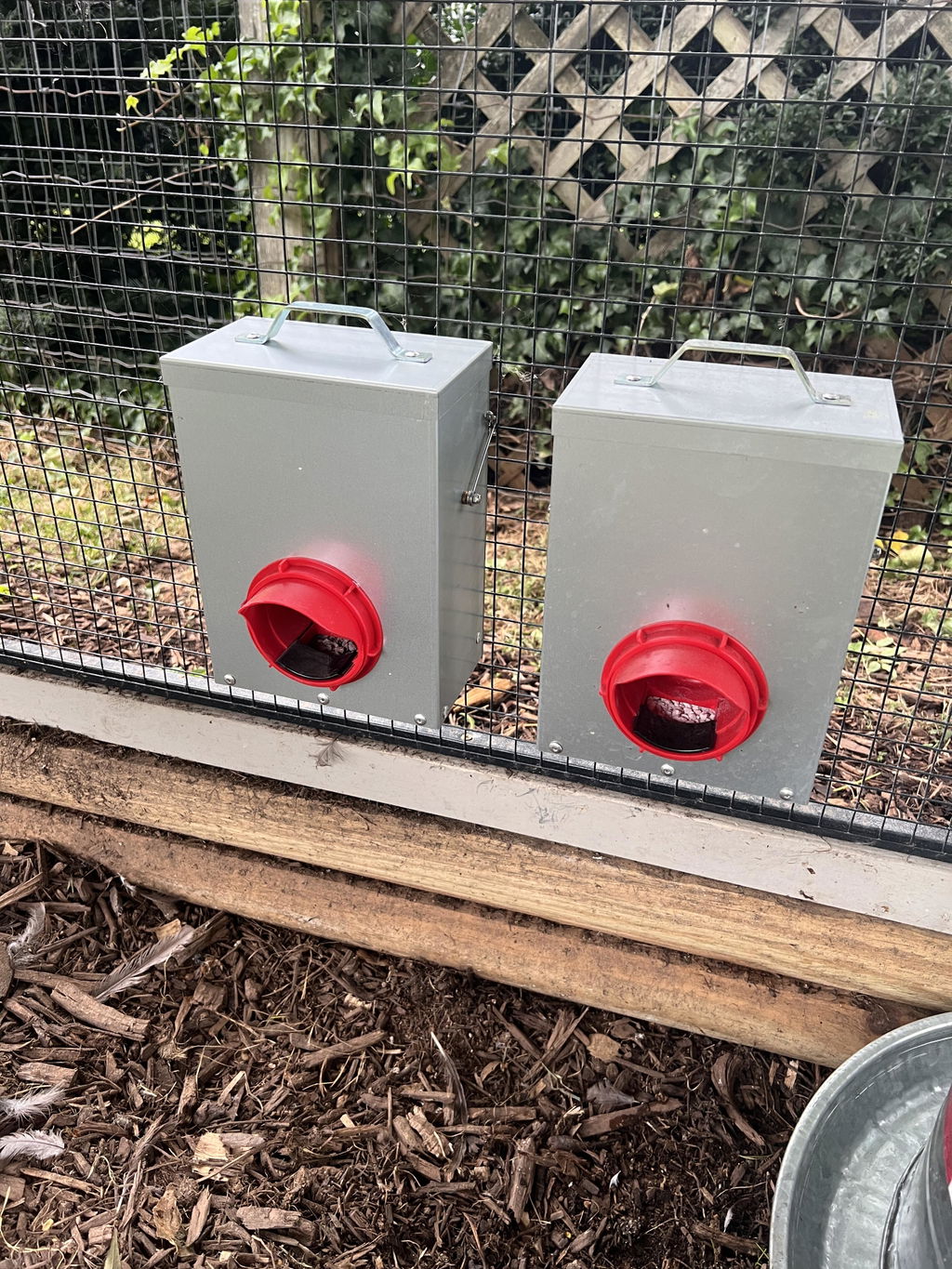
Berries are packed with vitamins and antioxidants, making them one of the healthiest treats you can offer your flock. Feed them fresh or frozen, but never moldy. If you’ve ever bought berries for toddlers, you know they disappear quickly—chickens are just as enthusiastic. Bonus: our small and large treat dispensers are the perfect size for berries!
Melons
Includes: Watermelon, cantaloupe, and honeydew.
The flesh, seeds, and rinds are all safe for chickens to eat. Because melons are mostly water, they’re a refreshing snack during hot weather. Try serving chilled or frozen chunks to help your flock stay cool on scorching summer afternoons.
Summer Vegetables for Chickens
Sweet Corn
Fresh sweet corn is a summer favorite for both people and chickens. It can be fed raw, cooked, or right on the cob. Hanging a whole ear of corn in the run encourages natural pecking behavior and provides enrichment while giving your birds a tasty treat.
Cucumbers and Summer Squash
Includes: Cucumbers, zucchini, and yellow summer squash.
These garden staples are high in water and low in calories, making them excellent summer treats. Feed them raw or cooked. Large squash can simply be cut in half and placed in the run so chickens can peck at them throughout the day.
Root Vegetables
Includes: Carrots, beets, and radishes.
Root vegetables are perfectly safe for chickens. While they’ll happily peck at whole vegetables, they’re usually easier to eat when grated, chopped into bite-sized pieces, or lightly cooked.
Brassicas
Includes: Broccoli, cabbage, cauliflower, and collard greens.
These nutrient-rich vegetables make excellent treats for backyard flocks. For a little extra entertainment, hang a whole head of cabbage from a string. It encourages natural foraging behavior and can keep chickens occupied for hours.
Tomatoes and Other Nightshades
Includes: Tomatoes, bell peppers, eggplant, and potatoes.
Nightshade vegetables can be confusing, but the rule is simple: the ripe fruits are safe, the green parts are not.
Safe to feed:
- Ripe tomatoes
- Ripe bell peppers
- Eggplant fruit
Avoid:
- Tomato leaves and stems
- Potato leaves and stems
- Green, unripe tomatoes
- Green potatoes
The green portions of these plants contain higher concentrations of solanine, a natural compound that can be harmful to chickens if consumed in large amounts.
Herbs
Includes: Basil, parsley, oregano, thyme, rosemary, sage, mint, cilantro, and lavender.
Fresh herbs are a flavorful addition to your flock’s diet. Scatter herb trimmings in the run, add small amounts to nesting boxes, or mix them with other treats for enrichment. If you grow herbs near your kitchen door, don’t let the leftover stems go to waste.
Beans and Legumes
Includes: Garden peas, snap peas, snow peas, green beans, clover, and alfalfa.
Fresh legumes are safe and nutritious treats for chickens. However, mature dried beans—including kidney, black, pinto, and soybeans, as well as lentils—should never be fed raw. They contain naturally occurring lectins that can make chickens very sick unless they’re thoroughly cooked.
Foods Chickens Should Never Eat
Not everything growing in the garden belongs in the chicken coop. Skip these:
- Onion
- Garlic
- Shallots
- Chives
- Green onions
- Rhubarb leaves
- Raw dried beans
- Moldy fruits or vegetables
Onions and garlic aren’t toxic in small amounts, but they can affect the flavor of your eggs if fed regularly. Rhubarb leaves contain oxalic acid and should never be offered to chickens.
Feed What’s in Season
One of the best things about summer is the abundance of fresh produce.
Whether you’re harvesting your own garden, shopping at a local farmers market, or cleaning out the refrigerator, many fruits and vegetables can become healthy treats for your flock.
Buying produce that’s in season is usually less expensive, tastes better, and has a smaller environmental footprint. Better yet, if you’re growing it yourself, your chickens can help ensure that none of your bumper crops go to waste.
Frequently Asked Questions
Can chickens eat tomatoes?
Yes. Chickens can safely eat ripe tomatoes as an occasional treat. However, avoid feeding green tomatoes, tomato leaves, or tomato stems, which contain higher levels of solanine, a natural compound that can be harmful in large amounts.
Can chickens eat watermelon?
Yes. Chickens can eat watermelon flesh, seeds, and rind. Because watermelon is mostly water, it’s a refreshing summer treat that can help keep your flock hydrated during hot weather. Frozen watermelon chunks are especially popular on warm days.
Can chickens eat cucumbers?
Yes. Cucumbers are perfectly safe for chickens and are an excellent summer snack because they’re high in water. Chickens can eat the flesh, skin, and seeds. Slice them into manageable pieces or cut them in half and let your flock peck away.
Can chickens eat zucchini?
Yes. Chickens can eat both raw and cooked zucchini. They can also eat yellow summer squash. If your garden is overflowing with squash, simply cut one in half and place it in the run for a healthy, enriching treat.
Can chickens eat peaches?
Yes, chickens can safely eat peaches as long as you remove the pit first. The fruit is a healthy summer treat, but peach pits contain compounds that can release cyanide if broken or chewed and should never be fed.
Can chickens eat blueberries?
Yes. Blueberries are one of the healthiest treats you can offer your flock. They’re rich in antioxidants and vitamins, and chickens love them. Feed fresh or frozen blueberries as an occasional treat, and always discard any moldy berries.
Can chickens eat corn?
Yes. Fresh sweet corn, cooked corn, and corn on the cob are all safe for chickens. Many chicken keepers offer whole ears of corn as enrichment because they encourage natural pecking behavior. Like all treats, corn should complement—not replace—a complete layer feed.
Can chickens eat herbs?
Yes. Most common culinary herbs are safe for chickens, including basil, oregano, parsley, rosemary, thyme, sage, mint, cilantro, and lavender. Fresh herbs add variety to your flock’s diet and can also provide enrichment when scattered around the run.
Can chickens eat onions or garlic?
It’s best to avoid feeding onions, garlic, shallots, and other alliums. While small amounts are unlikely to cause harm, feeding them regularly may affect the flavor of your eggs. There are plenty of other vegetables that make better treats.
Can chickens eat raw beans?
No. Chickens should never eat raw dried beans such as kidney, black, pinto, or soybeans. These beans contain naturally occurring toxins that can make chickens very sick. Fresh green beans, snap peas, and garden peas are perfectly safe.
Can chickens eat potato peels?
It depends. Peels from mature, fully ripe potatoes are generally safe if they’re clean and free of green spots. However, avoid feeding green potato peels, sprouts, leaves, or stems, which contain higher levels of solanine and should never be given to chickens.
How many treats can chickens have each day?
Treats, including fresh fruits and vegetables, should make up no more than 10% of a chicken’s daily diet. About 90% of what your flock eats should be a complete feed formulated to provide the nutrients they need for healthy eggs and overall health.
What kitchen scraps can chickens eat?
Many kitchen scraps are safe for chickens, including berry tops, melon rinds, cucumber ends, carrot peels, zucchini, leafy greens, and ripe tomatoes. Avoid moldy food, raw dried beans, rhubarb leaves, avocado pits and skins, and the leaves and stems of tomato and potato plants.