Quick Answers
How to Protect Chickens from Ground Predators
- Use hardware cloth, not chicken wire.
- Block digging with buried wire or apron fencing.
- Lock chickens in a secure coop every night.
- Eliminate food sources like spilled feed.
- Add electric fencing for high-risk areas.
Chickens belong to a special club within the animal kingdom, living on both sides of the food chain. They are both predator and prey. They are ferocious hunters of bugs, small rodents, and even the occasional snake, yet they are themselves vulnerable to a long list of predators that see them as an easy meal.
It’s the circle of life, but that doesn’t make it any easier to lose a beloved member of your flock.
The good news? With the right setup and a bit of precaution, you can reduce the risk to your flock and stay one step ahead of that sly fox (or dog, mink, weasel, raccoon, opossum... you get the drift).
Step 1: Know Your Threats
The predators you’ll encounter depend on where you live, how your coop is set up, and how accessible your flock is. Some are opportunistic, others persistent, but all are worth planning for.
Daytime Threats
- Dogs – The usual suspect, especially in suburban areas. Even well-fed pets may attack chickens if their chase instinct is triggered.
- Foxes – The classic predator. Clever, patient, and bold enough to strike during daylight hours.
- Coyotes – Highly adaptable and increasingly common, even near populated areas.
- Weasels and mink – Small, fast, and deadly. They can slip through tiny openings and may kill multiple birds in one visit.
Nighttime Threats
- Raccoons – Among the most intelligent predators. They can open simple latches and reach through wire to grab birds.
- Opossums – Often after eggs, but they’ll take advantage of an easy meal if they find one.
- Skunks – Typically target eggs and chicks.
- Foxes – Yes, again. They’re active at all hours.
Other Threats
- Snakes – Usually interested in eggs or small chicks.
- Rats – Attracted by feed; they steal eggs and can draw in larger predators.
Some predators are after eggs, others want full-grown birds, and many are simply drawn in by spilled feed or food scraps. Understanding what’s attracting them is half the battle.
Note: Aerial predators like hawks and owls are another major concern. We’ll cover those in a future post.
Step 2: Find Out How They Get In the Coop
Predators are persistent, and each has its own tactics. Put your detective skills to work and investigate how they are getting in. Foxes and coyotes can dig under fencing and can be surprisingly bold. Raccoons, on the other hand, use their dexterous paws to open latches or reach through gaps in wire. Likewise, weasels and mink can exploit the smallest gaps. Snakes slip silently into coops in search of eggs.
The point is: it may be difficult to figure out exactly how they are getting in. If all else fails, consider setting up a game camera.
Step 3: Implement Protective Measures
Effective predator prevention includes removing temptation and reinforcing your defenses.
Build a Secure Coop and Run
Use hardware cloth instead of chicken wire. Chicken wire keeps chickens in, but it won’t keep predators out. Hardware cloth is much stronger and more resistant to tearing.
Block Digging Access
Install buried fencing at least 12 inches deep, or use an outward-facing wire apron around your coop to stop digging predators like foxes and coyotes.
Lock Up the Coop Every Night
Most predators are nocturnal. Chickens will naturally return to the coop at dusk and roost, so all you have to do is secure the door.
Eliminate Hiding Spots
Keep the area around your coop clear of brush, woodpiles, and debris where predators might hide or nest.
Keep It Clean
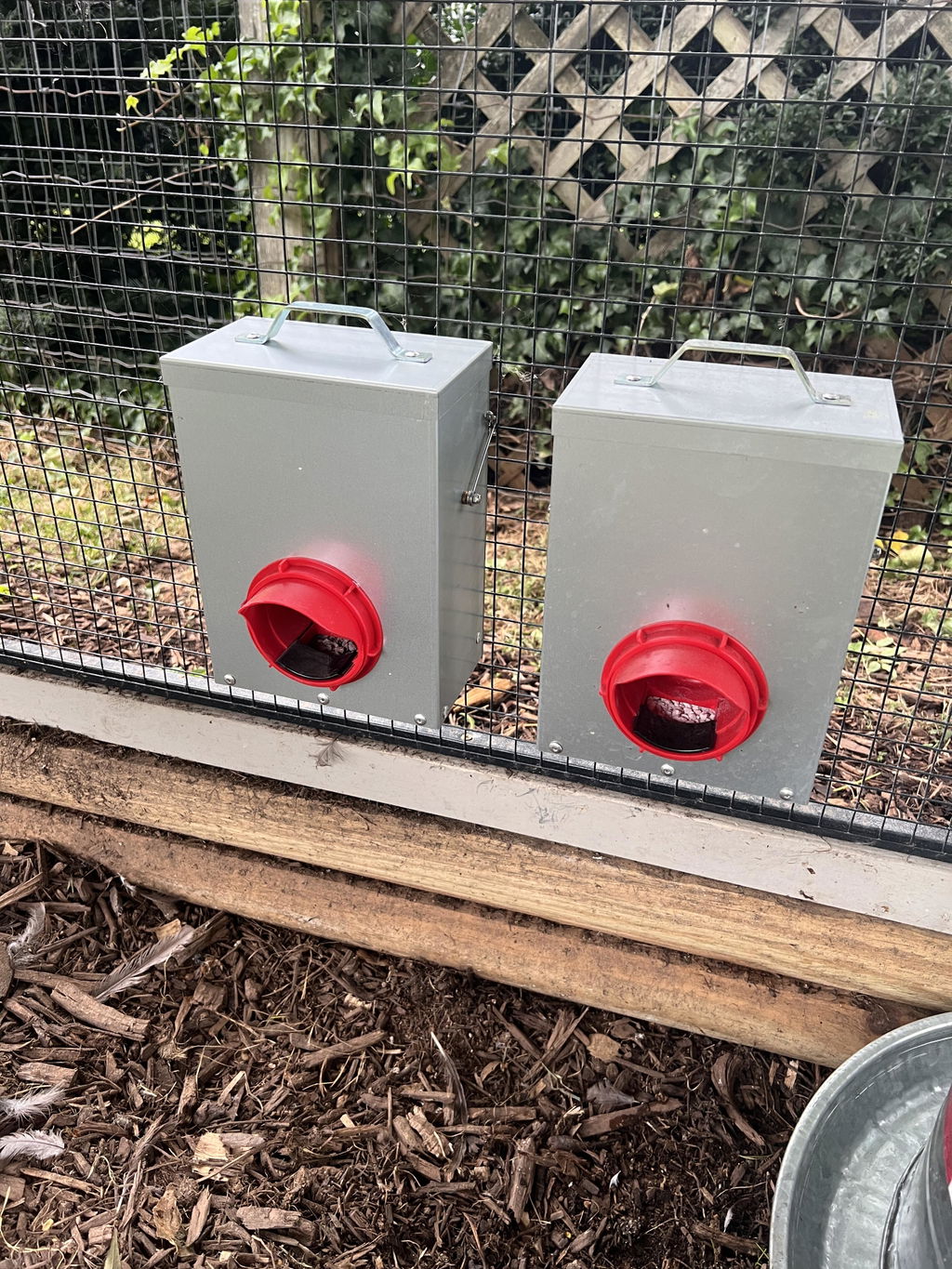
Spilled feed attracts rodents, and rodents attract predators. Use a well-designed, no-waste feeder like RentACoop’s treadle or port feeders to help prevent spilled feed, and clean up regularly to avoid creating an open invitation.
Seal Every Gap
Even small openings can be an entry point. Regularly inspect your coop and run for holes, loose wire, or gaps, and fix them promptly.
Add Extra Protection
- Electric poultry fencing systems, like RentACoop’s easy-install kits, are one of the most effective ways to deter persistent predators like foxes and coyotes.
- Ground netting adds another layer of security.
- Guard animals like geese or livestock guardians can help, though they’re not a standalone solution.
Give Them Some Credit
While chickens need protection, they’re not entirely defenseless. As descendants of dinosaurs—essentially small, feathered raptors—they have instincts and behaviors that help them stay alert and avoid danger.
We’ll explore those natural defenses, and how to work with them, in our next post.
Frequently Asked Questions
What is the most common ground predator of backyard chickens?
It depends on where you live, but raccoons, foxes, and neighborhood dogs are among the most common. Raccoons are especially problematic because they’re intelligent, persistent, and active at night.
What animal kills chickens but doesn’t eat them?
Weasels, mink, and sometimes dogs are known for killing multiple chickens in a single attack without eating much. This behavior is instinct-driven rather than hunger-based.
How can I tell what predator attacked my chickens?
Clues often point to the culprit:
- Missing birds → foxes or coyotes
- Dead birds with injuries to the head/neck → raccoons or weasels
- Eggs missing or broken → snakes, rats, or opossums
- Multiple birds killed at once → weasels or dogs
Tracks, droppings, and damage to your coop, like digging or torn wire, can also help you identify the predator.
Will chicken wire keep predators out?
No. Chicken wire is designed to keep chickens in—not predators out. Many predators can tear through it or reach through the gaps. Hardware cloth is a much safer option.
Is hardware cloth really necessary for chicken coops?
Yes, hardware cloth is necessary if your goal is to use it to keep predators away from your chickens.
How do I stop predators from digging under my coop?
Bury fencing at least 12 inches deep, or install a wire apron that extends outward from the base of the coop. This prevents predators like foxes and coyotes from digging their way in.
Do I need to lock my chickens up at night?
Yes. Most ground predators are nocturnal, so locking your chickens in a secure coop at night is one of the most effective ways to prevent attacks.
What attracts predators to my coop?
Common attractants include:
- Spilled or excess feed
- Food scraps
- Eggs left in nesting boxes
- Rodents, which are drawn by feed
Keeping your coop clean and secure is key to reducing interest from predators.
Will a guard animal protect my chickens?
Guard animals like dogs or geese can help deter predators, but they aren’t foolproof. They work best as part of a broader protection strategy, not as your only line of defense.
Are snakes dangerous to chickens?
Most snakes are more interested in eggs or small chicks than adult chickens. However, they can still be a problem if they gain access to your coop.
What is the best way to predator-proof my chicken coop?
It’s very difficult to eliminate all risk entirely. However, with strong materials, good habits, and regular maintenance, you can reduce the risk to a very low level.
Is it safe to let chickens free-range?
Free-ranging always comes with some risk, especially from predators. Many keepers accept this trade-off, but it’s important to stay aware and provide as much protection as possible.
Do I need electric fencing for chickens?
You don’t need electric fencing, but it can make a big difference with persistent predators and is one of the most effective upgrades to keep your flock safe.