



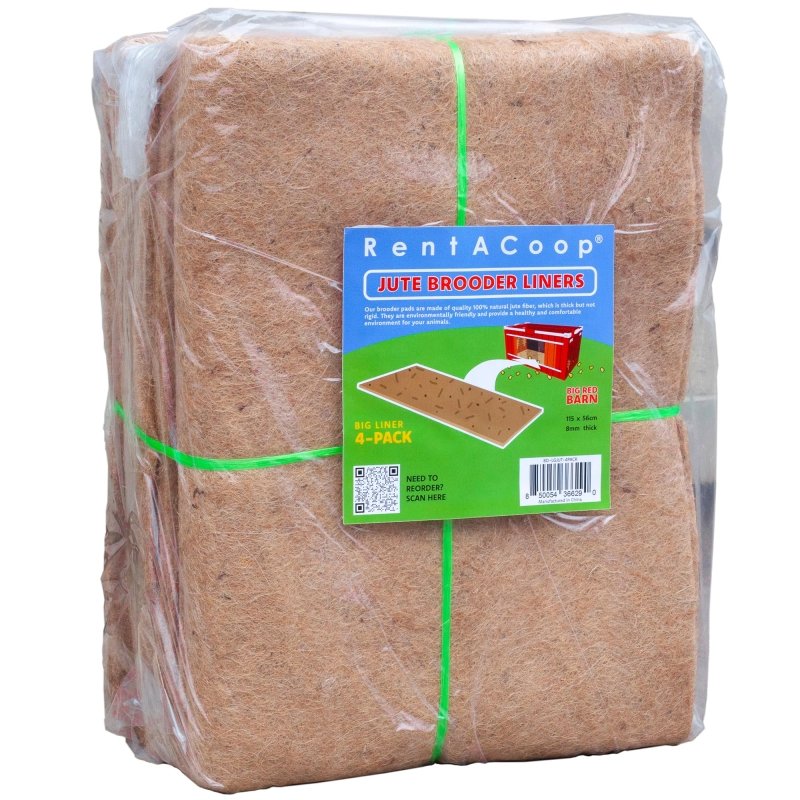

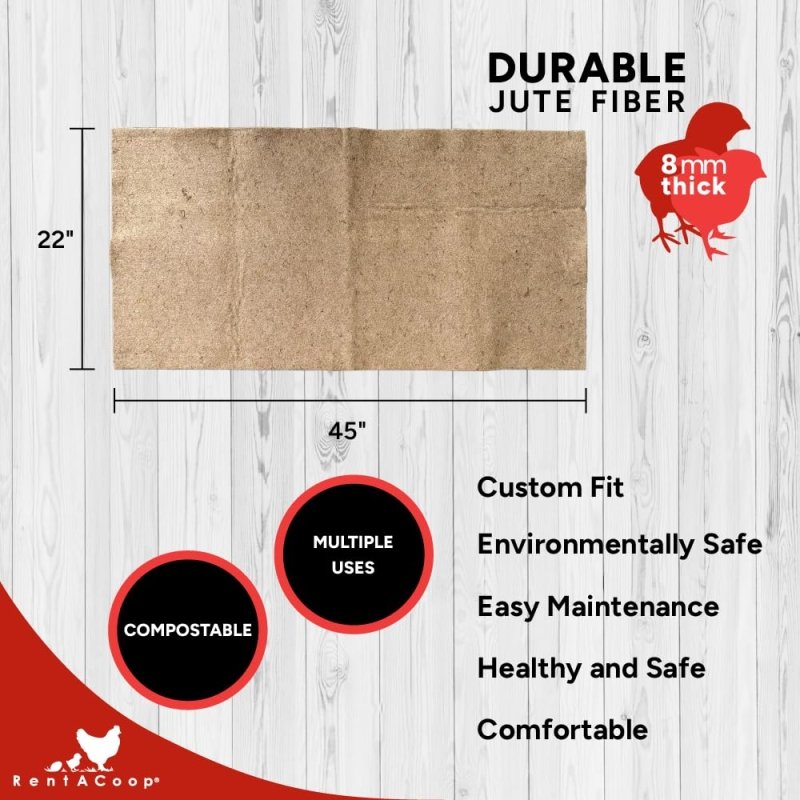

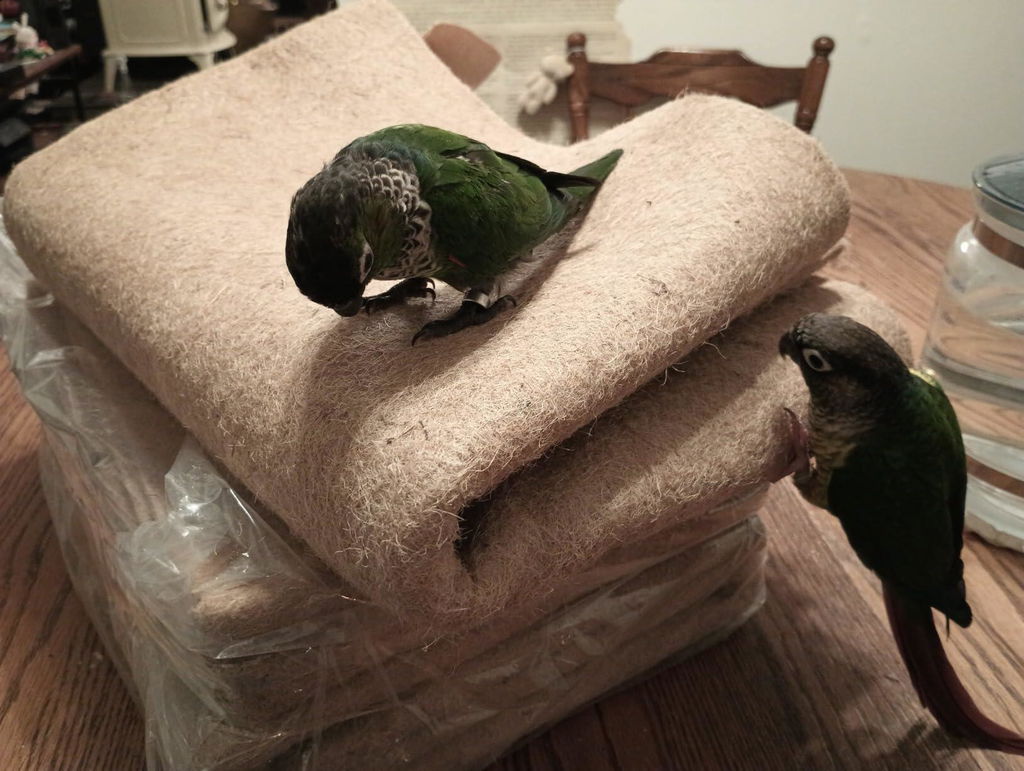
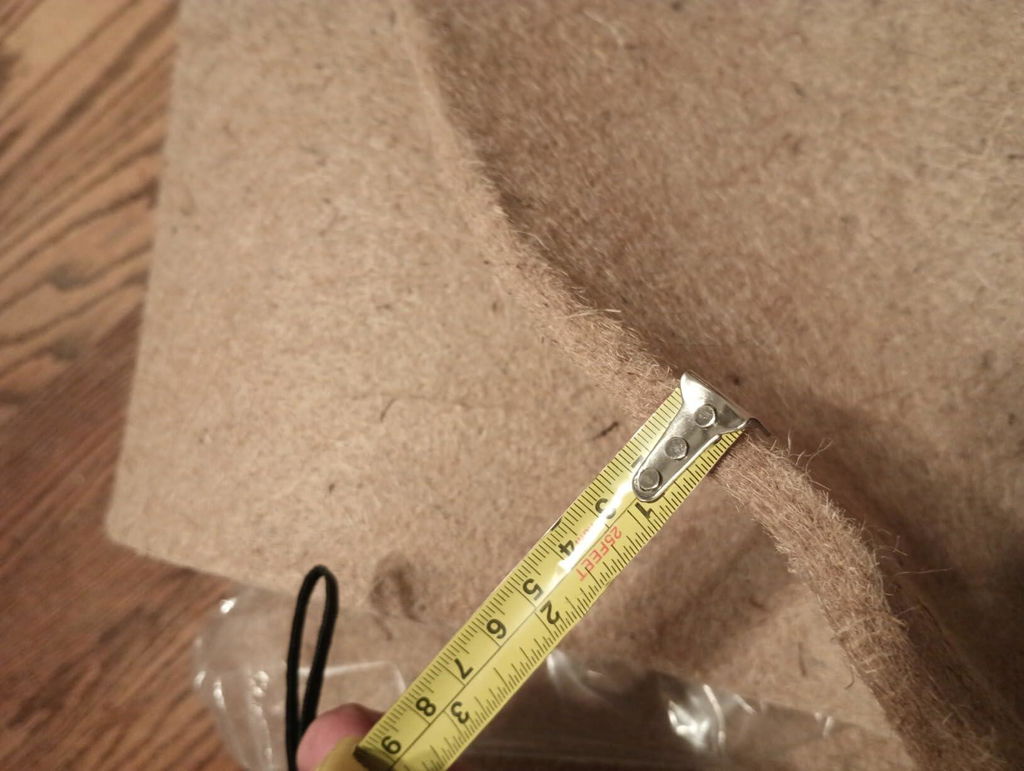
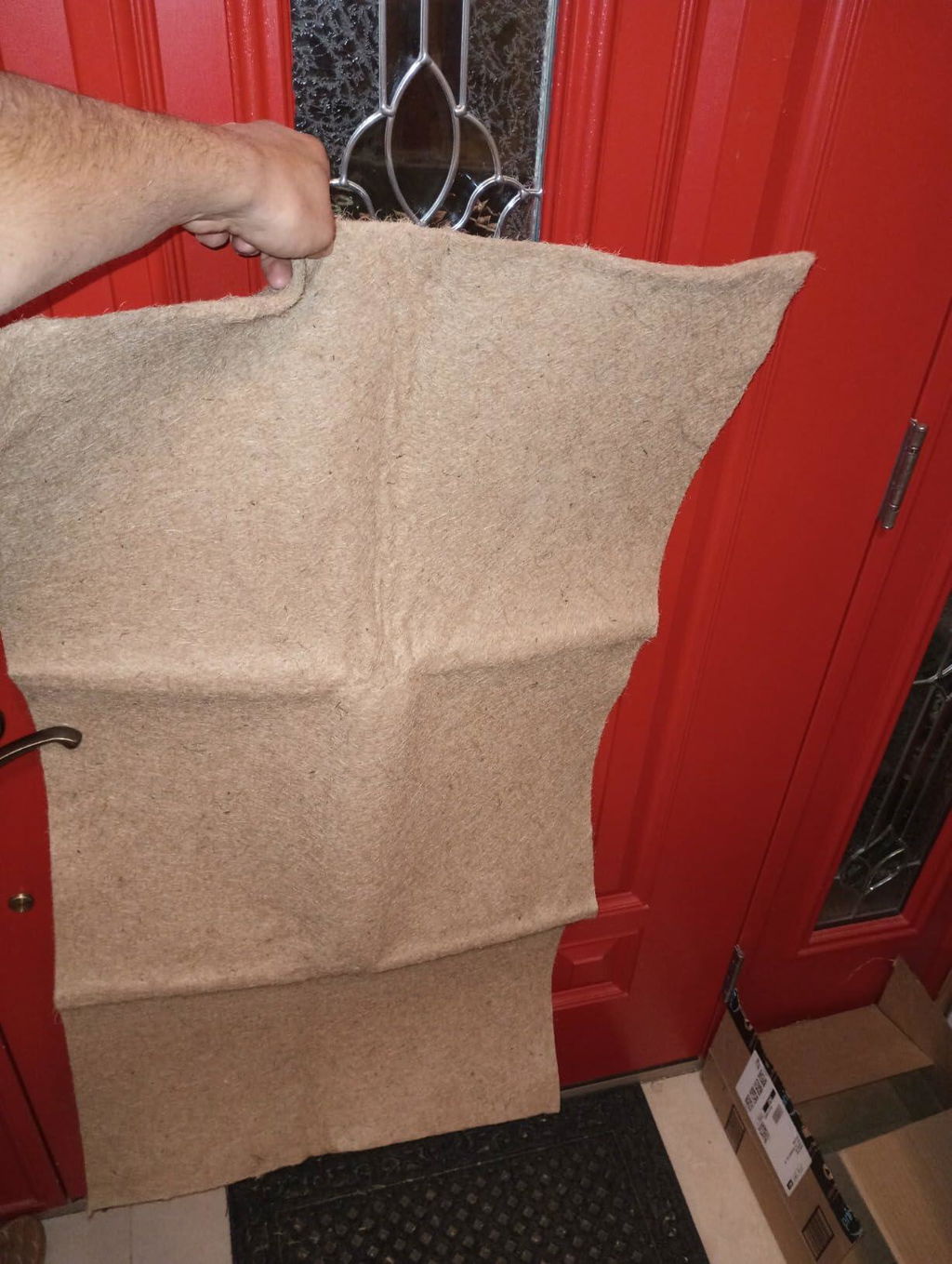
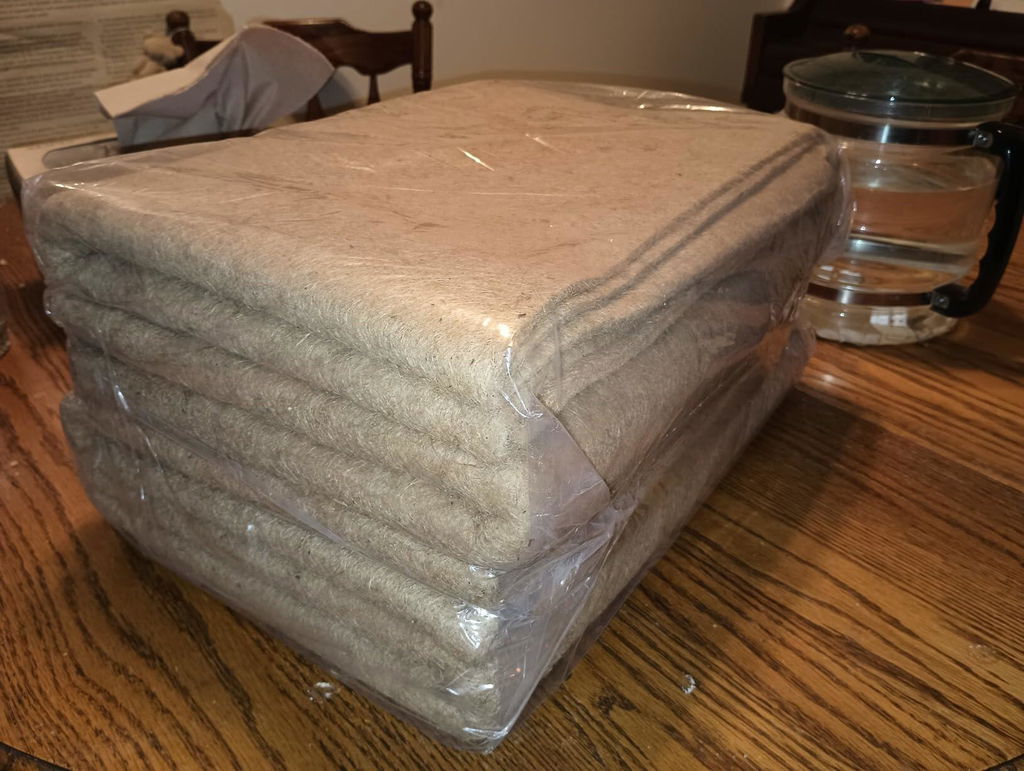
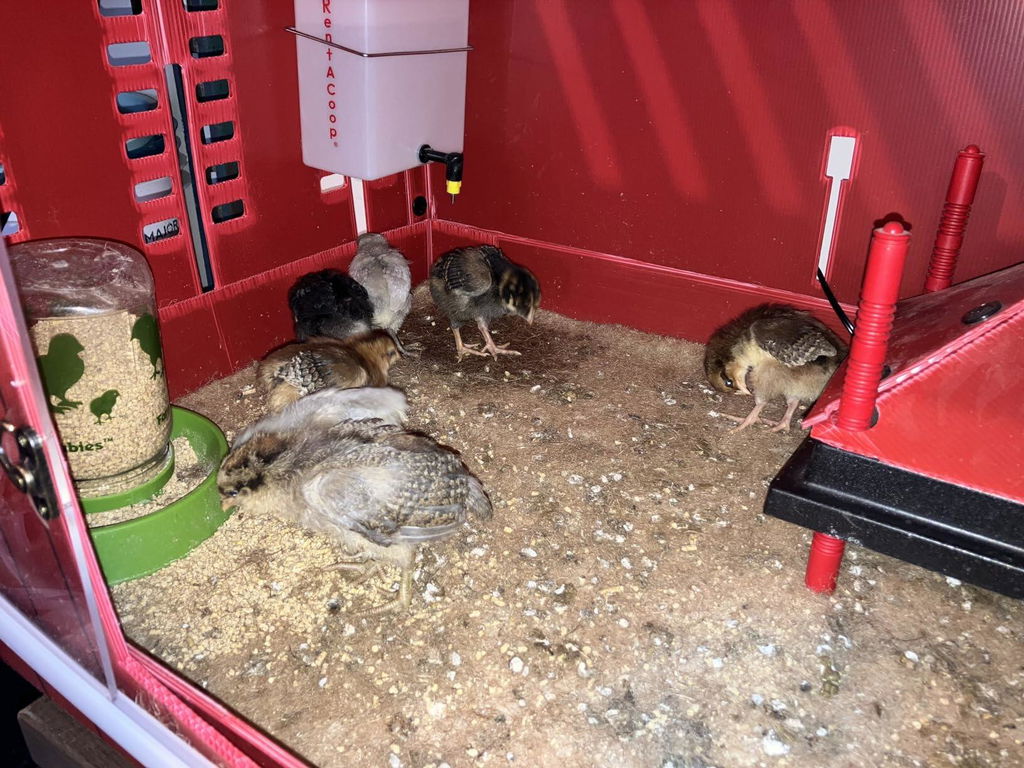
RentACoop Hemp Bedding has been a complete game changer for our chicken coop and our vegetable garden! RentACoop’s hemp bedding offers our hens a pleasant consistency, no dust and does a great job absorbing moisture. This makes for a healthy environment in the coop. Since RentACoop’s hemp bedding is compostable and chemical free, when I’m ready to replace it during the fall or winter, I bring it all to my vegetable garden where the used bedding along with chicken manure break down into nitrogen rich soil. During the spring and summer seasons, I use the hemp bedding as a mulch for the fruit and vegetables. Thank you RentACoop!
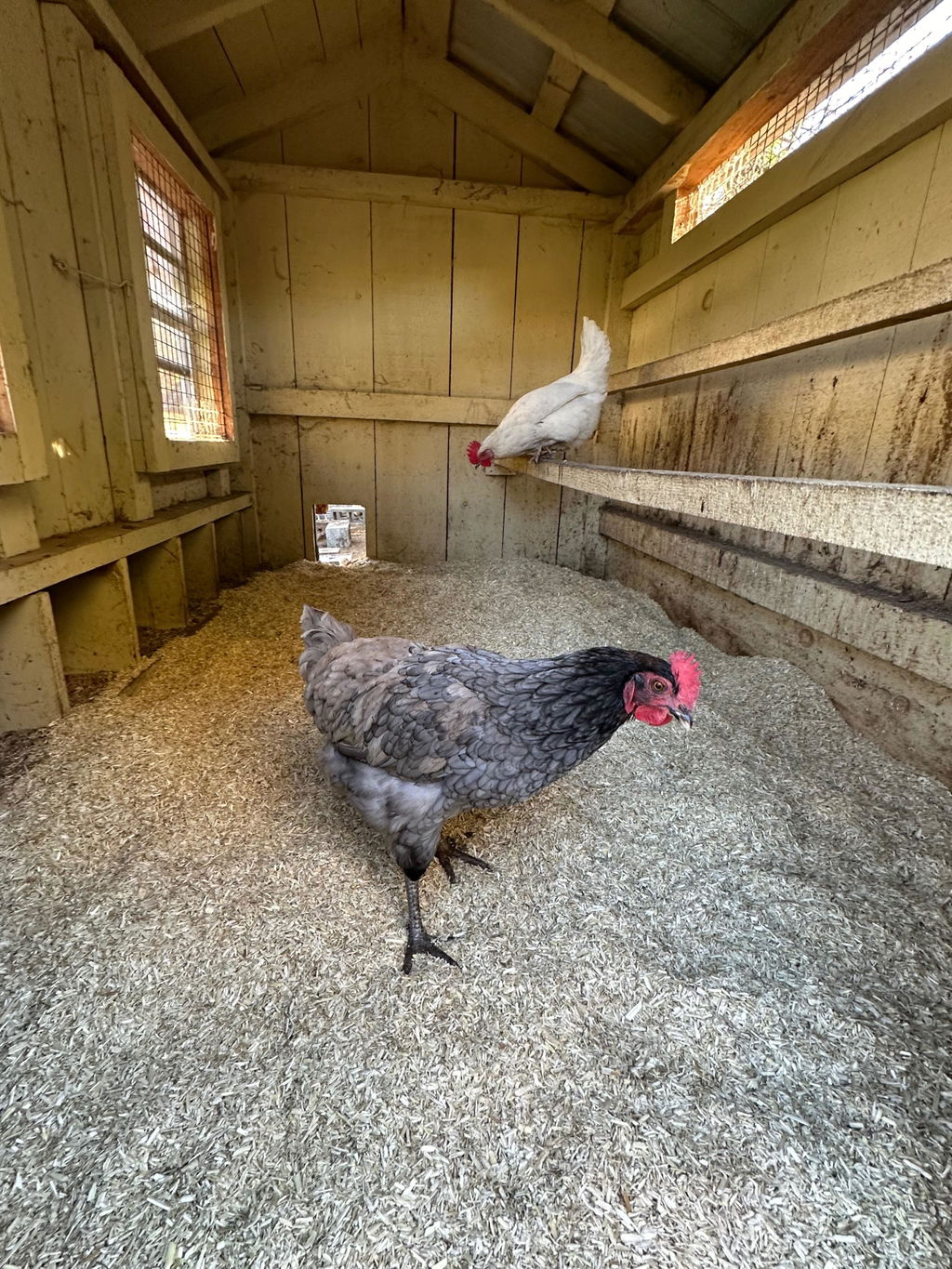
Great Product
Arrived quickly and made with great quality
One of the troughs I used for scratch and it works great. I have mash in the other and it doesn’t go down at all so I’m trying to get my chickens used to mini pellets instead. So for now, one of the troughs doesn’t do much good.
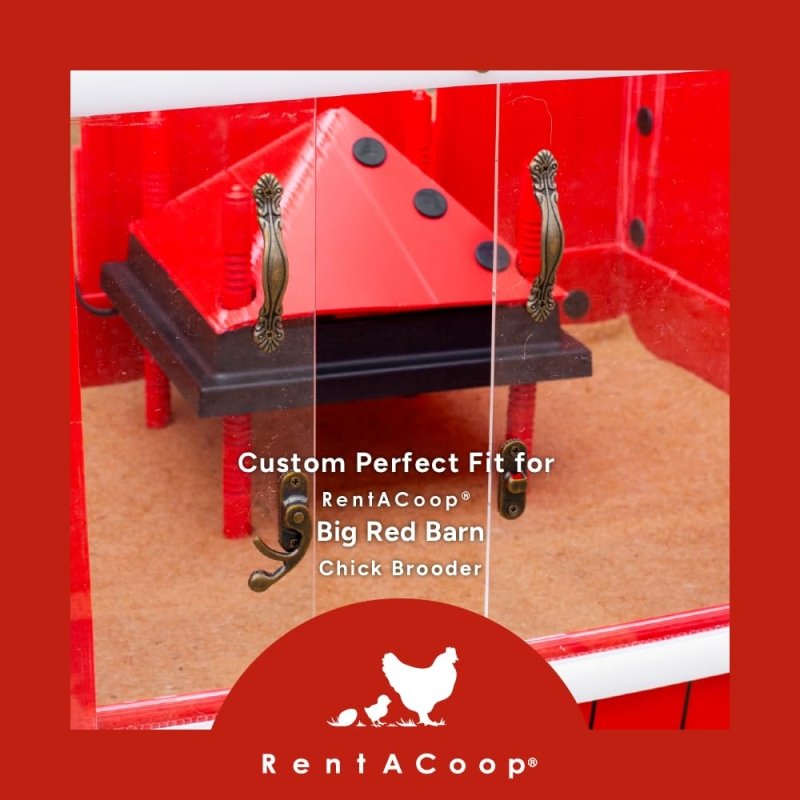
I would rate this purchase 5 star except in just over two months of use one of the hooks broke on the handle. Thankfully it can be replaced BUT if this is a known issue I really think extra parts should have been included with the kit.